Drug Facts for Africans: Diazepam
By: Grace Chukwuekwu. B.MLS. Freelance Health Writer. Medically reviewed by: Akpobome. Biakolo, MBBS.
January 29, 2026
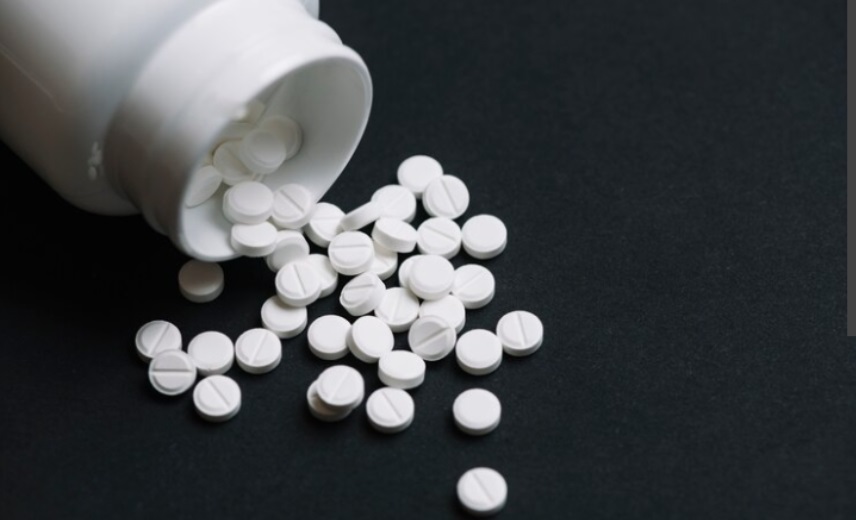
A box of diazepam tablets placed on a clean pharmacy counter, shown for illustrative purposes. Image credit: Freepik
Drug name: Diazepam
Brand Names: Those commonly found across the African continent include: Valium, Valnox-5, Relanium, Tropium, and Jawadize.
Drug class: Benzodiazepines.
Dosage forms and strengths (for informational and educational purposes only):
No matter the form, diazepam stays in the body for a long time. Its effects can last many hours and may continue well beyond 12 hours, especially in older adults or people with slower drug metabolism.
Diazepam is on the list of essential medicines by the World Health Organization (WHO). However, it is a Schedule IV controlled drug under the US Controlled Substances Act meaning it is linked with misuse, abuse and dependence if not taken correctly.
In 2020, a U.S. national health survey reported that millions of people misused benzodiazepines, and nearly 1 million of them misused diazepam specifically [1]. Local data from African countries are limited, so the level of misuse may differ in African countries. This is why it must be used only as prescribed and stored safely.
This drug facts aim to educate Africans about Diazepam as follows:
Diazepam is a calming medicine that belongs to a group of drugs called benzodiazepines. These medicines act as depressants (or downers) of the central nervous system (CNS), meaning they slow down brain activity and the movement of nerve signals [2]. This helps the body feel calmer, more relaxed, and less tense. Many people know diazepam by the brand name Valium.
Doctors prescribe the medication to:
Diazepam works by boosting a natural calming chemical in the brain called Gamma-Aminobutyric Acid, GABA. When GABA increases, your brain activity slows down, and messages between your brain and nerves travel more slowly [3]. This helps your body relax, reduces anxiety, and eases muscle tension.
1. For anxiety: Usually 2 mg, 3 times a day (Tablets & Liquid).
2. For trouble sleeping related to anxiety: 5–15 mg taken once at bedtime (Tablets & Liquid).
3. For muscle spasms (adults):
4. For muscle spasms (children 1 month–17 years):
5. Older adults or people with liver or breathing problems:
6. Rectal dosage (Rectal Diazepam)
A doctor will choose the right amount based on the patient’s age, weight, and health condition.
These are usually not serious, but if they persist, talk to your doctor or pharmacist.
Serious (Adverse) effects are rare but require immediate medical attention and may include:
Take the missed dose as soon as you remember, unless it’s almost time for your next one. Never take two doses at once. Set a reminder or ask your pharmacist for tips if you forget often.
Diazepam is a powerful medicine, so it’s important to use it safely as shown below:
Diazepam can lead to an addiction, a medical condition that occurs when in the case of a substance, you are unable to control its use despite harmful consequences, such as a health problem, the inability to attend to responsibilities at work, school, or home, etc.
The diagnosis of diazepam addiction should only be made by a healthcare professional. But it is helpful to be aware of some of the tell-tale signs of its addiction so you know how important it is to seek professional help early.
Both tolerance and withdrawal signs do not count toward diagnosis if the diazepam is being used as prescribed by a healthcare provider
If you or someone you know exhibits at least two of the above signs over a 12 month period, it is important to get help early from a healthcare professional
Diazepam is an effective medicine that can help with anxiety, muscle spasms, seizures, and alcohol withdrawal when used correctly. It works by calming the brain and slowing nerve signals, helping the body relax. However, it can be habit-forming and may cause side effects, so it must always be used exactly as prescribed.
Knowing how to take it safely, what to avoid, and how to store it properly can prevent harm to you and others. Always watch for unusual symptoms, keep it out of reach of children, and never mix it with other calming medications (sedatives). Remember, misuse or counterfeit pills can be very dangerous. Used responsibly, diazepam can be an effective and essential medicine.
1. Mosel S. Valium Misuse and Addiction: Signs, Overdose & Treatment [Internet]. American Addiction Centers; Last updated July 19 2024. [Cited January 13, 2026}. Available from here.
2. Dhaliwal JS, Rosani A, Saadabadi A. Diazepam. [Updated 2023 Aug 28]. In: StatPearls [Internet]. Treasure Island (FL): StatPearls Publishing; 2025 Jan-. [Cited Jan. 13, 2026]. Available from here.
3. NHS UK. About Diazepam. [Internet]. Last reviewed February 3 2022. [Cited Jan. 13, 2026]. Available from here.
4. Healthdirect (Australia). Diazepam (Valium). [Internet]. Last reviewed February 2025. [Cited Jan. 13, 2026]. Available from here.
Related:
Drug Facts for Africans: Tramadol
Managing chronic pain with opioids raises your addiction risk, study says
Published: January 29, 2026
© 2026. Datelinehealth Africa Inc. All rights reserved.
Permission is given to copy, use and share content for non-commercial purposes without alteration or modification and subject to attribution as to source.
DATELINEHEALTH AFRICA INC., is a digital publisher for informational and educational purposes and does not offer personal medical care and advice. If you have a medical problem needing routine or emergency attention, call your doctor or local emergency services immediately, or visit the nearest emergency room or the nearest hospital. You should consult your professional healthcare provider before starting any nutrition, diet, exercise, fitness, medical or wellness program mentioned or referenced in the DatelinehealthAfrica website. Click here for more disclaimer notice.