Jaundice in African Adults: Causes, Symptoms, and Treatment
Michelle B. Abebrese, MD. DLHA Volunteer and Freelance Health Writer. Medically reviewed by A. Odutola, MB BS, PhD, FRCSEd
Published: December 29, 2025.
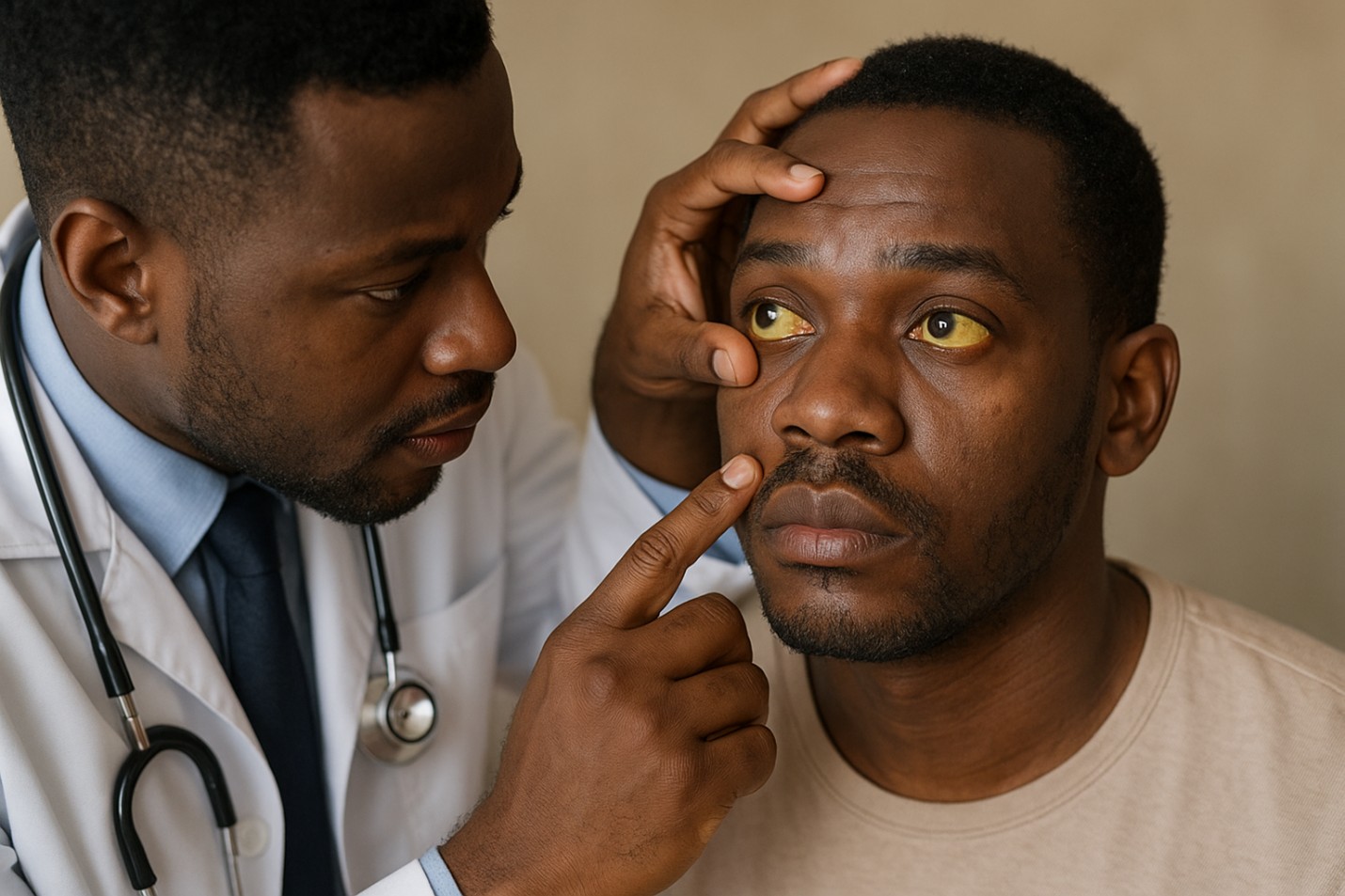
A black male doctor examining the eyes of a man with yellowish dicolouration of the eyes. AI image generated from ChatGPT
Jaundice is a yellowing of the skin and eyes (icterus) and it is a visible sign of underlying liver or blood problems.
Jaundice is not a disease by itself, but rather a visible indication that something is wrong in the body - particularly with the liver or blood. It happens when too much bilirubin, a yellow pigment, builds up in the blood. Normally, the liver processes and removes much of the bilirubin that occurs after breaking down old red blood cells.
The aim of this article is to explain what jaundice is, why it occurs, and how problems in the liver or blood lead to the buildup of bilirubin that causes the yellow discoloration of the skin and eyes. The article also seeks to help readers recognize jaundice as an important warning sign, and appreciate why timely medical evaluation is essential.
Jaundice occurs commonly when any of these events happen:
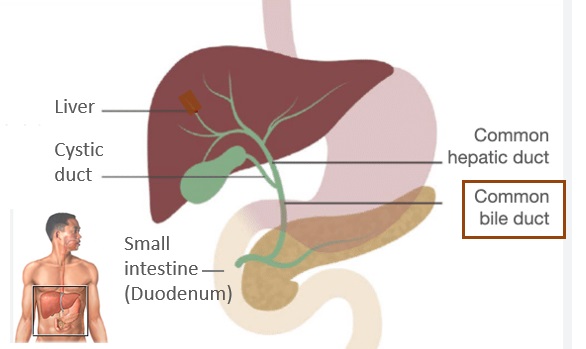
Image showing the liver, biliary tree and the common bile duct in the human body. Click on image to enlarge

Info poster illustrating causes of jaundice by origin. Click on image to enlarge
In Africa, several preventable and treatable conditions can lead to jaundice. These can are grouped into prehepatic, hepatic and post hepatic.
Aflatoxins are the by-product from a mold related fungus (germ) called Aspergillus spp. in crops in fields or storage. Mostly found in dried fruits, groundnuts, and maize. Aflatoxin is toxic and has been identified as a cause of cancer
Gallstones and Bile Duct Blockages: Gallstones or tumors can block bile flow, causing obstructive jaundice. This type often needs surgical treatment.
Studies on the common specific causes of jaundice in several African countries are limited, but one hospital based study in a tertiary hospital identified the following as common causes of jaundice in Togo:
It is unclear if this burden reflects what applies in other African countries. More studies are needed for clarification.
.jpg)
Infographic showing key symptoms of jaundice — yellow eyes, dark urine, pale stool, fatigue. An AI generated image from DeeVid. Click on image to enlarge.
The most obvious symptom is yellowing of the skin and eyes, but other warning signs that may suggest the origin of the jaundice often appear, including:
If symptoms like confusion, swelling of the legs, or vomiting blood occur, it may indicate liver failure, a medical emergency.
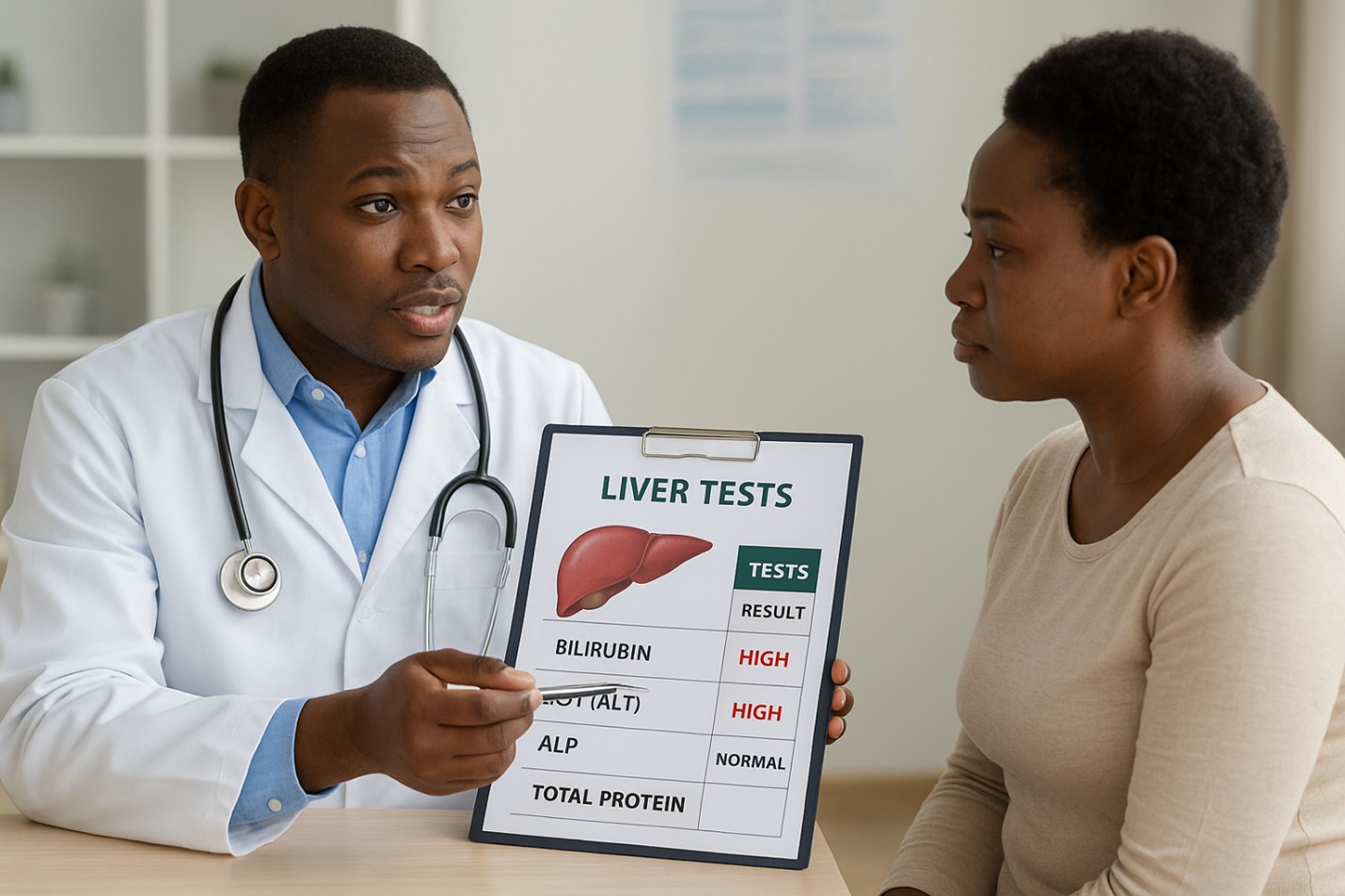
Photo of a doctor explaining liver test results to a patient in a clinic. AI image generated from ChatGPT. Click on image to enlarge.
The diagnosis of jaundice and identification of its cause should be left to your doctor.
To make a diagnosis, your doctor will start by asking for your complaints and detailed medical history. This is followed with a complete physical examination of your body and requests for blood tests to check your bilirubin levels in blood and liver function. Other tests may include:
Early diagnosis is essential to identify the cause and start treatment before serious damage occurs.
Some laboratory tests that your doctor may request for include:
These tests may help to locate the source of the cause of your jaundice.
Bilirubin comes in two forms:
High indirect bilirubin points to blood breakdown problems, while high direct bilirubin suggests liver or bile duct issues.
AST & ALT are liver enzymes; ALT is more liver-specific. When these rise- especially ALT - it usually means the liver cells are inflamed or injured, like in hepatitis, alcohol damage, or fatty liver.
ALP & GGT rise when there is problem with bile flow. High ALP together with high GGT often means a blockage in the bile ducts (e.g., gallstones)
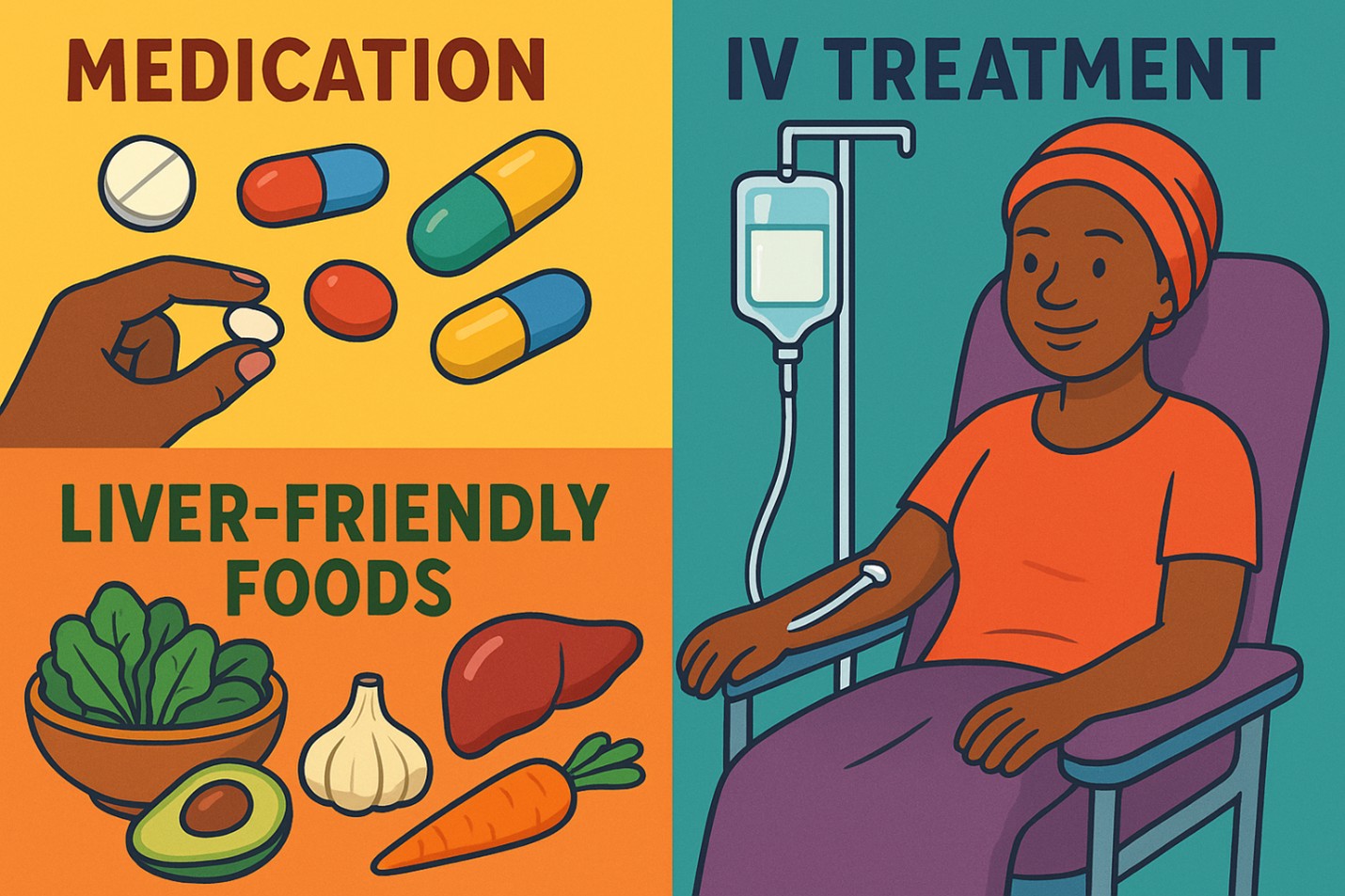
An info-poster showing treatment steps for jaundice. This commonly involves medications, including intravenous (IV) fluids, and liver-friendly foods. Click on image to enlarge.
There is no one-size-fits-all treatment for jaundice. Management depends on the underlying cause. Here are some considerations:
In advanced cases, hospitalization or referral to a liver specialist (hepatologist) may be required.
Jaundice prevention and community awareness raising
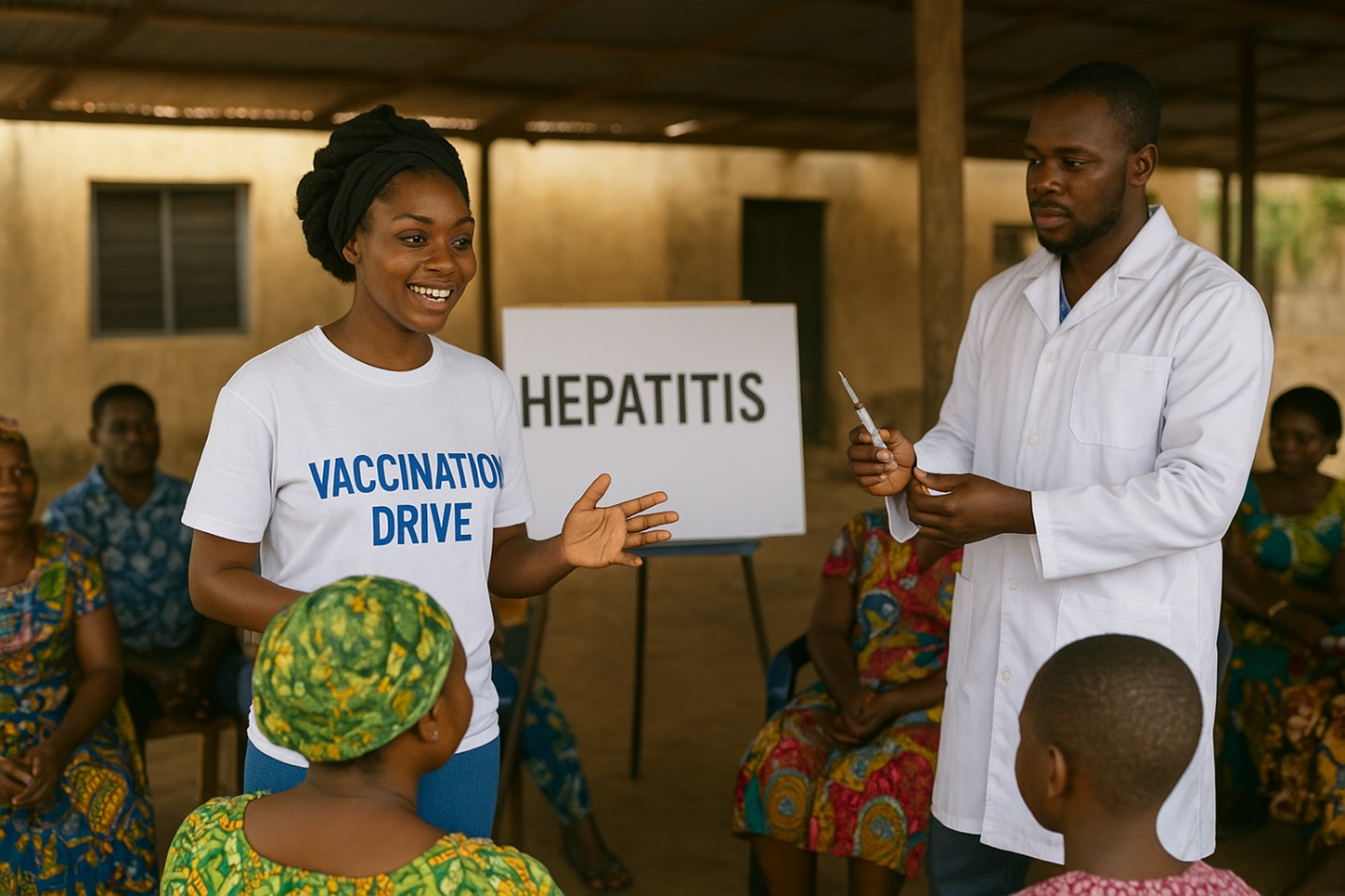
Photo of female and male community health workers educating a group of African women in an outdoor shed on hepatitis and how to prevent jaundice. AI image generated from ChatGPT. Click on image to enarge.
Most causes of jaundice in African adults are preventable. Key prevention steps include:
Public health education is critical. In many African countries, many people still associate jaundice with spiritual causes or traditional beliefs, which causes delay in seeking medical attention.

Photo of a smiling African doctor with a patient, symbolising professional support in aid of hope and recovery for the patient’s condition. AI image generated from ChatGPT. Click on iamge to enlarge.
Jaundice is a warning sign that should never be ignored. Whether it’s due to severe malaria, sickle cell disease, hepatitis, or blockage of the biliary pathways, early diagnosis and treatment are crucial.
In Africa, where infections and lifestyle diseases coexist, community education and preventive healthcare remain the best defense.
By getting educated about the common causes and early warning signs of jaundice, Africans will more likely seek medical help early. Doing so will help to reduce the effects of the causes of jaundice on general health in African communities.
1. Bagny A, Kogoe LR, Redah DV, Lawson ALM, Bouglouga O, El Hadji YR, Kaaga LY. Jaundice in tropical Africa: Epidemiological, clinical and diagnostic features. World Journal of Advanced Research and Reviews, 2020, 07(01), 174–177. Doi: 10.30574/wjarr.2020.7.1.0243. Available from here.
2. Paruk IM, Pirie FJ, Motala AA. Non-alcoholic fatty liver disease in Africa: a hidden danger. Glob Health Epidemiol Genom. 2019 Apr 12;4:e3. doi: 10.1017/gheg.2019.2. Available from here.
3. National Cancer Institute (NIH). Aflatoxins. [Internet]. Last updated July 3, 2024. [Cited Dec. 18, 2025’]. Available from here.
4. Munghieng TN. Sickle cell disease: Essential information for Africans. Last updated Dec. 15, 2025. Datelinehealth Africa. [Cited Dec. 18, 2025] Available from here.
5, World Health Organization. Hepatitis [Internet. n.d.] WHO Regional Office for Africa. {Cited Dec 5, 2025]. Available from here.
Published: December 29, 2025
© 2025. Datelinehealth Africa Inc. All rights reserved.
Permission is given to copy, use and share content freely for non-commercial purposes without alteration or modification and subject to source attribution.
DATELINEHEALTH AFRICA INC., is a digital publisher for informational and educational purposes and does not offer personal medical care and advice. If you have a medical problem needing routine or emergency attention, call your doctor or local emergency services immediately, or visit the nearest emergency room or the nearest hospital. You should consult your professional healthcare provider before starting any nutrition, diet, exercise, fitness, medical or wellness program mentioned or referenced in the DatelinehealthAfrica website. Click here for more disclaimer notice.