Swallowed Magnets Can Damage the Bowels, Report Shows
By Adebowale Bello. B.Tech Microbiology, Freelance Health Writer. Medically reviewed by A. Odutola, MB. BS, PhD, FRCSEd.
December 8, 2025.
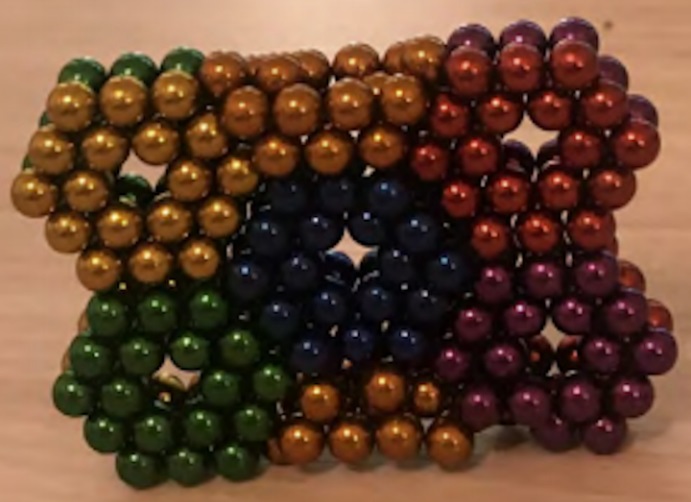
Photo showing a collection of small round high-powdered magnet balls, which are not the same as found in the case report. Clcik on image to enlarge.
Children are naturally curious and they often put small objects in their mouths. While this can seem harmless, some items are far more dangerous than people generally realise.
A recent report from the New Zealand Medical Journal highlights the severe risks of swallowing high-power magnets. This is not just a concern for children overseas but is highly relevant to families everywhere, because awareness about such household dangers may be limited.
The case report was of a 13-year-old boy who ingested between 80 and 100 small, high-strength neodymium magnets he bought online. These magnets are tiny but extremely powerful and they can stick together through the walls of the intestines. The case was documented by paediatric surgeons who detailed the medical and surgical journey needed to save the boy. The report provides a clear warning about the hidden dangers of these magnets, which are often marketed as toys or desk gadgets.
When the boy was admitted to the hospital, he had been experiencing abdominal pain for four days. Imaging revealed multiple chains of magnets in different parts of his intestines (bowels). Because magnets attract each other through the bowel walls, they trapped sections of the intestines in between. This caused pressure necrosis (damage), a form of tissue death that in the case reported led to serious complications like perforation (holes in the bowel) and infection inside the abdomen (belly).
Surgery was required to remove the magnets and doctors resected (cut off) affected parts of the child's bowel, which included the small intestine (bowel) and caecum (the beginning of the large bowel).
Post-surgery, the boy faced many set backs such as bleeding and temporary bowel blockage but he eventually recovered.
The report emphasises that ingestion of multiple high-power magnets almost always requires medical intervention and can be life threatening if not treated promptly.
Although this case occurred in New Zealand, the lessons apply globally. In African households. Children have access to various small objects, including magnets, batteries and coins. Many parents may not realise the risks posed by these objects, thinking they are harmless toys and this report highlights the need for awareness.
Educating caregivers, teachers and children about the dangers of magnet ingestion is vital. Even a small magnet can cause significant harm if swallowed and multiple magnets are particularly dangerous. Parents should store magnets out of reach, supervise children during play and seek immediate medical attention if ingestion occurs.
Prevention is better than cure. Some key tips include:
Keep magnets and small objects away from children, especially those under 14
Supervise playtime when magnetic toys are involved
Educate children about the dangers of putting objects in their mouths
Know the signs of magnet ingestion, such as abdominal pain, vomiting or discomfort
This case report serves as a good reminder that even tiny objects can pose huge health risks. High-power magnets are not ordinary toys. If swallowed, they can seriously damage the intestines and require urgent surgery. African parents and caregivers should be aware of these dangers and take preventive measures, while ensuring prompt medical attention if ingestion occurs. Awareness and education are the best tools to protect children from such hidden hazards.
Source: Lekamalage BBW, Duncan-Were LJ, & Davis NM. Paediatric ingestion of one hundred small high-power magnets—the dangers of the online marketplace. New Zealand Medical Journal, 2025 Ocuber 24;138 (1624), 87–90. Available from here
Published: December 8, 2025
© 2025. Datelinehealth Africa Inc. All rights reserved.
Permission is given to copy, use and share content for non-commercial purposes without alteration or modification and subject to attribution as to source.
DATELINEHEALTH AFRICA INC., is a digital publisher for informational and educational purposes and does not offer personal medical care and advice. If you have a medical problem needing routine or emergency attention, call your doctor or local emergency services immediately, or visit the nearest emergency room or the nearest hospital. You should consult your professional healthcare provider before starting any nutrition, diet, exercise, fitness, medical or wellness program mentioned or referenced in the DatelinehealthAfrica website. Click here for more disclaimer notice.