Adult Leukaemia Explained to Africans: Symptoms and Treatment
By: Foluke Akinwalere. Health & Wellness Writer. Medically reviewed by the DLHA Team.
December 31, 2025
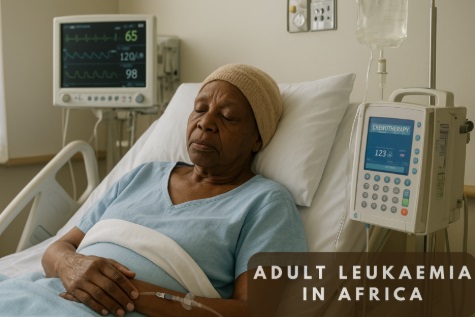
An adult African patient receiving intravenous (IV) fluid while lying on a hospital bed. Image is captioned "Adult Leukaemia in Africa" and is created from ChatGPT
Imagine feeling weak, losing weight, or bruising easily, and you’re being told it is witchcraft or punishment. For many adults in Africa, this is the reality of leukaemia. But leukaemia is not a curse. It is cancer of the blood, and with the right care, it can be treated.
Leukaemia is a word many people fear. Yet across Africa, many still do not fully understand what it means or what to do when diagnosed. Misconceptions often lead people to spiritual healers instead of hospitals, which delays treatment and makes the disease harder to control.
This article explains adult leukaemia in Africa in simple terms. It will help you understand the causes of leukaemia in adults, the symptoms of leukaemia, how doctors diagnose leukaemia, and the treatment options available, especially in African countries. It also clears up common myths and gives tips on how to reduce the risk of the disease.
Leukaemia is a type of blood cancer that begins in the bone marrow, the soft tissue inside the bones where blood cells are produced. It affects how blood cells are produced and function.
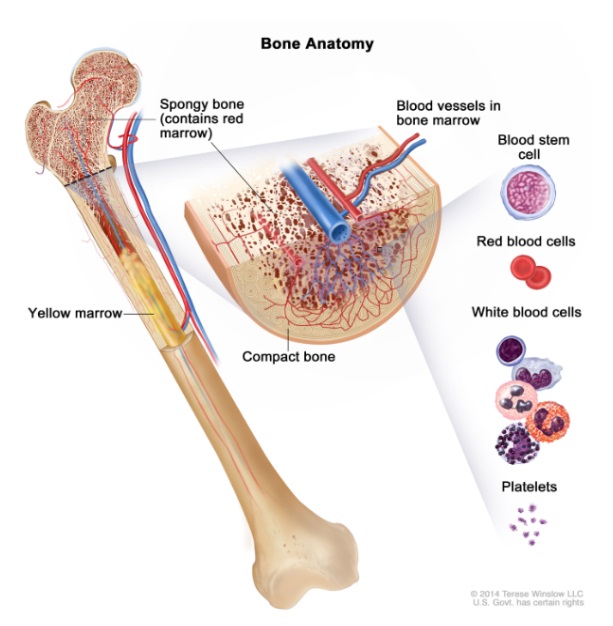
Inside the bone marrow, some blood-forming cells are known as stem cells. These stem cells grow and mature into new blood cells. They can develop into lymphocytes (a type of white blood cell) or into myeloid cells, which can become red blood cells, other kinds of white blood cells, or the cells that produce platelets (see fig. 1).
 l
l
Fig.1: Image of bone anatomy (bone structure and composition). Image credit: National Cancer Institute. Click on image to enlarge
In leukaemia, the bone marrow generates an excessive amount of abnormal white blood cells, which displaces the healthy cells and impairs the body to fight infections, prevent bleeding, and transport oxygen.
While adult leukaemia can affect individuals of any age, it is more common in adults aged 50 and older. It differs from the leukaemia observed in children, which usually acts faster and requires distinct treatment approaches.
Leukaemia is grouped based on how fast it grows (acute and chronic), and as based on the type of cell it starts from (myelocytic or lymphocytic) [1].
In this type, most of the abnormal blood cells remain immature and cannot perform normal body functions. It progresses rapidly and can worsen quickly if not treated.
Here, some blood cells mature and can still function normally, while others remain abnormal. It usually develops more slowly than acute leukaemia.
This type starts in bone marrow cells that produce red blood cells, platelets, and certain white blood cells.
This affects bone marrow cells that develop into lymphocytes, a type of white blood cell that helps fight infection.
There are four main types of adult leukaemia (see fig. 2). Each type grows at a different speed and affects different blood cells, as explained earlier in the classification.
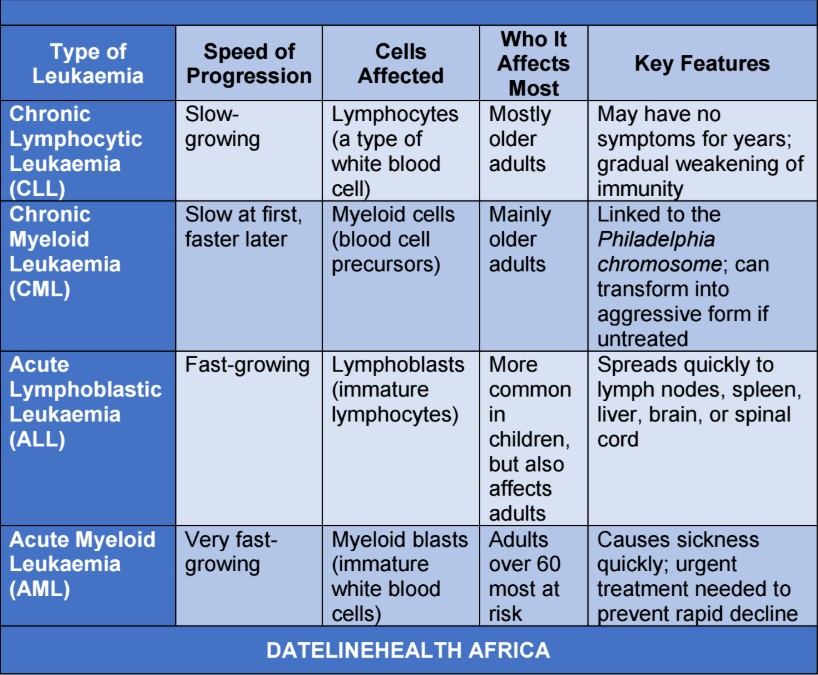
Fig. 2: Table showing type of leukaemia and their features.Click on image to enlarge.
This is a type of cancer that develops slowly and affects a specific type of white blood cell known as lymphocytes. It is more common in older adults, and some individuals may go for years without experiencing any symptoms.
Chronic myeloid leukaemia is also slow at first but can become more serious over time. It affects a different type of white blood cell called myeloid cells. CML is typically characterised by a genetic change known as the Philadelphia chromosome, where parts of chromosome 9 and chromosome 22 swap places. This condition mostly affects older adults and is rare in children [2].
This is a type of blood cancer where the bone marrow produces an excessive amount of abnormal lymphocytes, a type of white blood cell that does not function properly. These defective cells can circulate in the blood and spread to various parts of the body, such as the lymph nodes, spleen, liver, central nervous system (brain and spinal cord), and other organs. If left untreated, ALL can progress quickly. Though more common in children, adults can get it too.
Acute myeloid leukaemia is a blood and bone marrow cancer where abnormal white blood cells, called myeloid blasts, multiply quickly. It is a fast-growing cancer. These harmful cells crowd the bone marrow and bloodstream, making it hard for the body to produce healthy blood cells. It can cause sickness quickly and needs urgent treatment.
Knowing the type of leukaemia mentioned above helps doctors decide the best treatment.
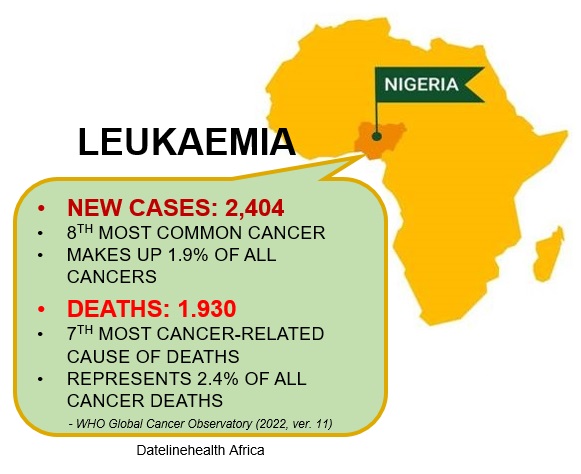
Infographics showing leukaemia burden in Nigeria. Data source: WHO Global Cancer Observatory (2022).
Click on image to enlarge.
Leukaemia in Africa is a deeply challenging illness. It is the most common type of blood cancer, and ranks as the 11th leading cause of cancer-related deaths globally, with a prevalence of 32.26% in 2017 [3].
According to the 2022 World Health Organisation Global Cancer Observatory, ver. 11, leukaemia poses a major public health challenge in Nigeria for example. In that year, 2,404 new cases were recorded, making it the 8th most common cancer in the country and responsible for 1.9% of all cancer cases. Mortality from leukaemia is also high, with 1,930 deaths reported in 2022—again ranking 7th among cancer-related deaths and representing 2.4% of all cancer deaths. These figures highlight the urgent need for effective strategies to reduce the burden and improve outcomes for leukaemia patients in Nigeria and Africa as a whole.
Doctors don’t always know the exact causes of leukaemia, but some factors can increase the chances of developing it. These include (see fig. 3):
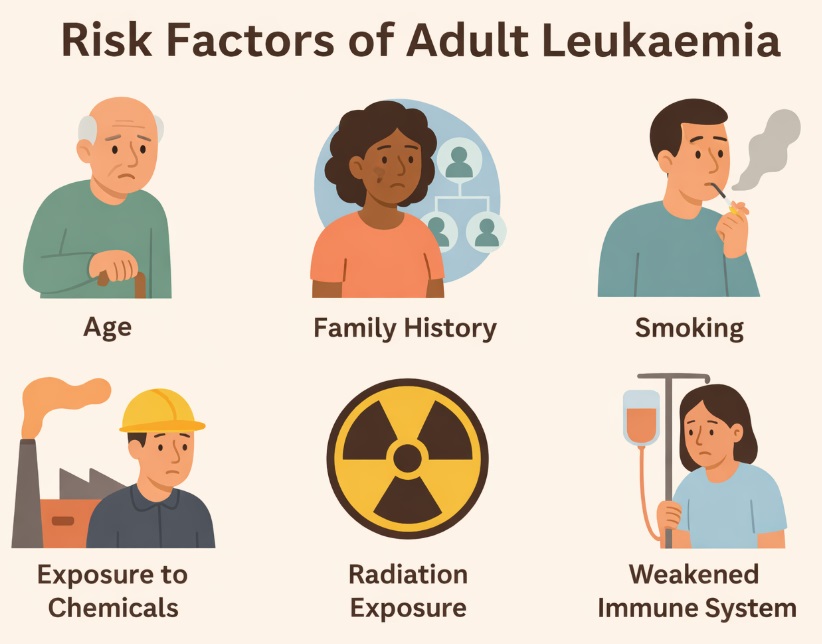
Fig. 3: Info poster illustrating some risk factors of adult leukaemia. Image created from ChatGPT.
Click on image to enlarge.
Leukaemia can occur at any age, but the risk goes up as people get older. Adults over 50, and especially those above 60, are more likely to develop certain types of leukaemia, like Chronic Lymphocytic Leukaemia (CLL) and Acute Myeloid Leukaemia (AML). This is because the body’s cells are more likely to develop DNA damage as we age.
Although leukaemia is not usually inherited, having a close relative, such as a parent or sibling, with the disease can raise your risk. This may be due to shared genes or environmental exposures in the family.
Cigarette smoke contains dangerous chemicals like benzene that can damage the bone marrow, where blood cells are made. This damage can lead to Acute Myeloid Leukaemia (AML). Even second-hand smoke can add to the risk over time.
Benzene and some certain chemicals which are found in petrol, paint, rubber, and some pesticides are linked to leukaemia. In Africa, many workers in farming, petrol stations, and factories are exposed to these chemicals without protective equipment, usually without realising the danger.
High levels of radiation can damage the DNA inside blood cells, increasing the risk of cancer. This may happen after nuclear accidents, repeated CT scans, or strong medical radiation treatment.
People with weakened immunity, such as those living with HIV/AIDS or those taking medicines to suppress their immune system after organ transplants, are more likely to develop leukaemia because their bodies cannot fight abnormal cell growth effectively.
Some cancer treatments, like chemotherapy and radiation, can damage the bone marrow. While these treatments save lives, they sometimes increase the chance of developing leukaemia years later.

Fig 4: Illustration showing common symptoms of adult leukaemia. Image created from ChatGPT.
Click on image to enlarge.
Leukaemia can be silent at first. But as it progresses, the following symptoms may appear (see fig. 4):
These signs can also be seen in other illnesses, but if you have two or more, it’s important to see a doctor quickly.
The first step in treating leukaemia is proper diagnosis. This is achieved through:
.jpg)
Fig. 5: Composite image showing diagnostic approaches to leukaemia. Click on image to enlarge.
Taking a detailed medical history is an important first step in diagnosing adult leukaemia, especially in African settings where advanced tests may not be immediately available.
Doctors will ask questions to understand how long the symptoms have been present and how they have changed over time. Symptoms such as persistent fever, unexplained weight loss, frequent infections, easy bruising, bleeding, or ongoing tiredness are carefully explored.
Doctors will also ask about past illnesses and treatments, including previous cancers, chemotherapy, or radiation therapy, which can increase the risk of leukaemia later in life. Information about family history of blood cancers or other cancers is important, as some forms of leukaemia can run in families.
In addition, lifestyle and environmental exposures are discussed. These will include smoking history, long-term exposure to chemicals such as pesticides or petrol, work in factories or farms, and any known exposure to radiation.
Doctors will also ask about conditions that weaken the immune system, such as HIV infection or long-term use of immunosuppressant medicines.
In many African communities, patients may have first sought care from traditional healers or used herbal remedies. Doctors will ask about this respectfully, as some treatments may affect blood counts or delay hospital presentation.
A careful and complete history helps guide the next steps in testing and ensures leukaemia is considered early, even when symptoms resemble common infections like malaria or typhoid.
In performing a physical examination or complete body check, your doctor will observe or take a close look at different parts of your body, including your eyes, skin, nail beds, gums, etc., looking for signs of anaemia and or jaundice. They will next palpate or touch you carefully all over the body, especially your abdomen (belly), groin and armpits, taking note of any abdominal mass and swollen lymph nodes. They will then listen to your heart and chest for normal or abnormal heart and breath sounds. Lastly, your doctors will perform more checks on other body organs or systems, like a central nervous system examination.
Findings from the history and physical examination will help your doctor to make an informed preliminary diagnosis and shape the diagnostic tests they may ask you to do.
This simple test checks the levels of red blood cells, white blood cells, and platelets. It measures the levels and maturity of your blood cells. In people with leukaemia, there are usually too many white blood cells, while red blood cells and platelets may be reduced because cancer cells interfere with normal blood production.
Special tests like flow cytometry and blood smears are used to look closely at blood cells and identify abnormal or immature cells. These tests help doctors confirm the type of leukaemia. Blood work may also include tests for liver and kidney function, as well as clotting ability.
Since leukaemia begins in the bone marrow, doctors often perform a bone marrow biopsy (i.e., take a small sample from the hip bone using a fine needle after numbing the area). The sample is studied under a microscope to check what kind of blood your bone marrow is making, also to check for immature cells and other abnormalities, which helps determine the severity of the disease and guide treatment decisions. Though painful, it is necessary for diagnosis.
These check for changes in DNA or chromosomes in your blood cells. This helps in knowing the type of leukaemia and the best treatment.
This procedure is done to see if leukaemia has spread to the brain or spinal cord. After numbing the lower back, a needle is used to remove a small amount of fluid from between the spinal bones. The fluid is then tested for the presence of cancer cells.
Scans such as X-rays, CTs, and MRIs can produce detailed images of the body. These tests help doctors assess whether leukaemia has affected organs or other parts of the body.
The treatment of adult leukaemia depends on several factors, including the age, the type of leukaemia diagnosed, whether the disease has spread to other parts of the body, such as the brain or spinal cord, and the overall health. Doctors use different approaches to manage leukaemia, usually combining therapies for the best results.
Chemotherapy is the most common treatment for leukaemia. It uses strong medicines to kill cancer cells in the blood and bone marrow. Depending on the type of leukaemia, you may receive one drug or a combination of several. These medicines can be given as tablets or through injections into the veins.
Radiation therapy uses high-energy X-rays or protons, or particles to damage or kill leukaemia cells in the body. Treatment may target one area of the body (such as where cancer cells have gathered) or the whole body in preparation for a bone marrow transplant.
This treatment replaces unhealthy bone marrow with healthy stem cells. Before the transplant, patients receive high doses of chemotherapy or radiation to clear out cancer-producing cells. Healthy stem cells are then infused into the body, either from a donor or sometimes from the patient’s own stored stem cells. This helps the body rebuild normal blood production.
Targeted therapy uses drugs that attack specific weaknesses in leukaemia cells. By blocking these abnormal processes, targeted drugs help destroy cancer cells while sparing healthy ones. Before starting, your doctors may test your blood and bone marrow to see if this treatment is suitable.
Immunotherapy helps the body’s immune system recognise and fight leukaemia cells. A newer form, called CAR-T cell therapy, involves reprogramming a patient’s own T cells to specifically attack leukaemia cells. This option is mainly used for certain hard-to-treat cases.
Leukaemia care in Africa faces serious obstacles at every stage of the care pathway. The main challenges include:
Many African countries lack basic cancer care facilities, including reliable diagnostic laboratories, cancer registries, and enough trained specialists. This makes early detection of leukaemia difficult, and without early diagnosis, treatment options become limited and less effective [4].
Technologies like flow cytometry, molecular testing, and cytogenetic analysis, which help doctors identify the exact type of leukaemia for personalised treatments, are often unavailable. High costs, poor infrastructure, and shortages of skilled technicians and haematologists make these tools inaccessible in most hospitals [4].
Many patients are diagnosed only when leukaemia has advanced, leaving fewer treatment options. Urban hospitals may have some diagnostic capacity, but rural areas often lack even basic testing or follow-up care, and this creates large regional gaps.
Leukaemia treatment often requires chemotherapy, radiation, or stem cell (bone marrow) transplants. These treatments are costly and rarely covered by health insurance which means that patients frequently must shoulder the full cost themselves or skip treatment altogether. Travel expenses, hospital stays, and lost income make it even harder for many patients to complete treatment [4].
Low awareness of leukaemia symptoms means many people delay seeking medical help. Some believe the illness has spiritual causes, while others mistake it for common diseases like malaria or typhoid. Stigma, misinformation, and poverty all contribute to delays in proper care [5].
Essential medicines, especially newer targeted therapies, are often too expensive for most African families, including the supply chain problems
Leukaemia can’t always be prevented. But certain actions can reduce your risk.
Public health education across Africa must include information about blood cancer awareness and prevention.
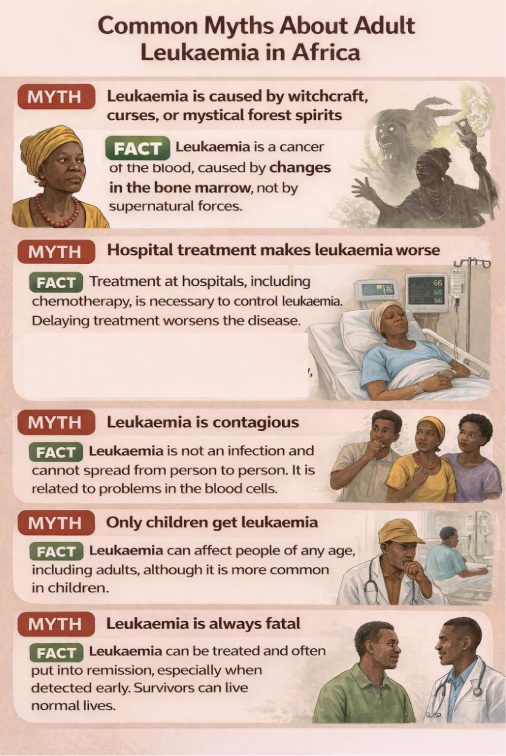
Fig 6: Info poster on common myths about adult leukaemia in Africa. AI generated image from ChatGPT.
Click on image to enlarge.
In many African communities, cancer, including leukaemia, is wrongly believed to be caused by curses, spiritual attacks, or punishment from ancestors. These beliefs delay diagnosis, proper treatment, discourage medical care, and increase suffering.
Some of these myths and misconceptions are:
In parts of Northern Nigeria, many believe illnesses like cancer result from mystical forces, known locally as jeji or daji, and they are better treated by prayers or traditional herbalists than hospitals.[6] In reality, leukaemia is a medical condition, and modern treatment in hospitals can save lives
Some communities think Western medicine and hospital care actually worsen cancer. As a result, patients are often taken to traditional healers first and only go to medical facilities when the disease is already advanced.[6] The truth is, early hospital treatment offers the best chance of controlling or curing leukaemia.
Many believe that leukaemia can be transmitted from person to person, similar to how infections spread. This is scientifically incorrect and creates undue fear. [7]
Leukaemia is often thought of as a childhood disease, but this belief ignores that adults can—and frequently do—develop it, particularly certain types like CLL and AML.
Despite its seriousness, leukaemia is not necessarily a death sentence. Advances in treatment like chemotherapy, targeted therapy, and bone marrow transplants have made many cases treatable or curable.
Leukaemia is a serious but treatable condition when diagnosed early and managed with the right resources. Understanding its causes, types, signs, and available treatments can make a big difference in improving survival rates. However, in Africa, challenges such as limited diagnostic tools, late presentation, high treatment costs, and low awareness continue to stand in the way of progress. By strengthening healthcare systems, investing in cancer research, and improving access to affordable treatment, leukaemia stories can begin to change in Africa.
Early signs of leukaemia in adults usually include tiredness, frequent infections, unexplained fever, weight loss and easy bruising and bleeding. These symptoms may appear mild at first and often be mistaken for common illnesses.
Yes. In Africa, leukaemia symptoms such as fever, weakness, weight loss, and body pain are often confused with malaria or typhoid, which can delay proper diagnosis and treatment.
Leukaemia affects the bone marrow, where white blood cells are made. This leads to abnormal white blood cells that cannot fight infections properly, making patients fall sick more often.
Yes. Bone or joint pain can happen when leukaemia cells build up inside the bone marrow, causing pressure and discomfort, especially in the arms, legs, or back.
Anyone with persistent symptoms such as unexplained weight loss, swollen lymph nodes, night sweats, easy bleeding, or long-lasting fatigue should see a doctor promptly for proper blood tests and evaluation.
Click to watch this video and learn more about leukaemia.
1. Chennamadhavuni A, Iyengar V, Mukkamalla SKR, et al. Leukemia. [Updated 2023 Jan 17]. In: StatPearls [Internet]. Treasure Island (FL): StatPearls Publishing; 2025 Jan-. Available from here.
2. National Cancer Institute. Chronic Myeloid Leukemia Treatment. [Internet]. Updated April 9, 2025. [Accessed Sept 8, 2025]. Available from here.
3. Obu SI, Dibigbo-Ibeaji N, Obu GO, and Ilikannu SO. Diagnostic Challenges in Hematological Malignancies in Nigeria and Their Impact on Treatment Outcome. International Blood Research & Reviews, 2024;15 (4):8-15. Available from here.
4. Obeagu EI. Advancing Leukemia Diagnosis and Treatment: WHO-Supported Laboratory Innovations in Africa- A Narrative Review. Blood Lymphat Cancer. 2025 Jun 24;15:47-67. doi: 10.2147/BLCTT.S518005..Available from here.
5. Omotoso O, Teibo JO, Atiba FA. et al. Addressing cancer care inequities in sub-Saharan Africa: current challenges and proposed solutions. Int J Equity Health 2023;22, 189 (2023). doi: 10.1186/s12939-023-01962-y. Available from here.
6. Sarki AM, Roni BL. This disease is “not for hospital”: myths and misconceptions about cancers in Northern Nigeria. Journal of Global Health Reports. 2019;3:e2019070. doi: 10.29392/?joghr.3.e2019070 Available from: here
7. World Health Organisation African Region. Beyond World Cancer Day: Raising Awareness, Dispelling Myths About Cancer. [Internet]. March 04, 2013. [Accessed September 4, 2025 Available from here.
Related: 5 Common Reasons Why Africans Need Blood Transfusion
Published: December 31, 2025
© 2025. Datelinehealth Africa Inc. All rights reserved.
Permission is given to copy, use, and share content freely for non-commercial purposes without alteration or modification and subject to source attribution.
DATELINEHEALTH AFRICA INC., is a digital publisher for informational and educational purposes and does not offer personal medical care and advice. If you have a medical problem needing routine or emergency attention, call your doctor or local emergency services immediately, or visit the nearest emergency room or the nearest hospital. You should consult your professional healthcare provider before starting any nutrition, diet, exercise, fitness, medical or wellness program mentioned or referenced in the DatelinehealthAfrica website. Click here for more disclaimer notice.