How Ultra-Processed Foods Affect Bone Health and Fracture Risk
By Adebowale Bello. B.Tech Microbiology. DLHA Fellow. Medically reviewed by the DLHA Team
June 30, 2026.
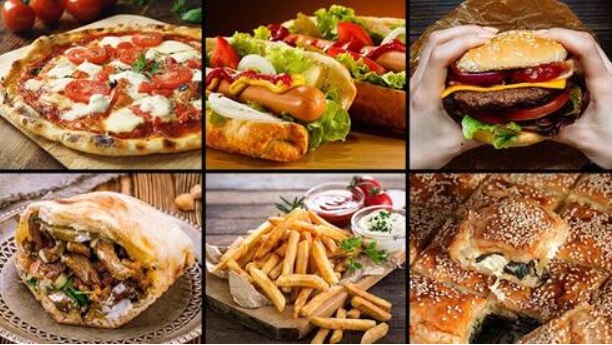
An image of a variety of ultra-processed foods. Image Credit: Ynet. Click on image to enlarge.
Ultra-processed foods have been linked to weight gain, diabetes or heart disease in several studies. However, a growing body of research suggests that these foods may also affect the strength of our bones. Bones are living tissues that constantly break down, yet rebuild themselves and to remain strong, they need a steady supply of important nutrients such as calcium, protein, vitamin D, magnesium and other minerals. When the body does not get enough of these nutrients over time, bone strength can decline, increasing the risk of fractures.
A recent study has now highlighted the increasing consumption of ultra-processed foods as a health concern. These are foods that have undergone extensive industrial processing and often contain high amounts of added sugars, unhealthy fats, salt and additives while providing fewer essential nutrients.
The study found that people who consumed more ultra-processed foods had lower bone mineral density and a higher risk of fractures compared with those who ate fewer of these foods. This study raises important questions for Africans whose diets are rapidly changing as processed foods are becoming more common.
The researchers used data from the UK Biobank, a large health database containing information from 163,855 participants with an average age of 56 years. They wanted to understand whether there was a connection between the amount of ultra-processed foods people consumed and two important measures of bone health:
1. Bone mineral density, which shows how much mineral content is present in bones and gives an indication of bone strength.
2. Fracture risk, particularly hip fractures, which can have serious consequences, especially among older adults.
The participants were followed for about 12 years and during this period, researchers recorded cases of fractures and analysed differences in bone mineral density among people with different levels of ultra-processed food consumption. The study did not aim to prove that ultra-processed foods directly cause weak bones, instead it looked at whether people who ate more of these foods were more likely to have poorer bone health.
The researchers discovered that higher consumption of ultra-processed foods was associated with lower bone mineral density. People who consumed the highest amounts of ultra-processed foods had lower bone density in different parts of the body, including the hip area, spine and total body measurements. This is important because lower bone mineral density means bones are less strong and may break more easily after falls or injuries.
The study also found that higher ultra-processed food intake was linked with an increased risk of fractures. For every significant increase in ultra-processed food consumption:
Hip fractures are particularly concerning because they can lead to reduced mobility, loss of independence and longer recovery periods, especially among older adults.
Interestingly, the relationship between ultra-processed foods and lower bone density appeared stronger among adults younger than 65 years and those who were underweight. This suggests that dietary habits earlier in life may influence bone health before people reach old age.
The study shows an association but researchers believe several factors may explain why diets high in ultra-processed foods could affect bones.
They may provide fewer bone-building nutrients
Many ultra-processed foods are designed to be convenient, tasty and long-lasting. They often replace foods that naturally provide nutrients needed for healthy bones. A diet dominated by ultra-processed foods may contain lower amounts of:
They may increase inflammation in the body
Some ultra-processed foods are associated with higher levels of inflammation when consumed regularly. Long-term inflammation can interfere with normal bone remodelling, the natural process where old bone tissue is replaced with new bone tissue.
They may affect overall lifestyle habits
People who consume large amounts of ultra-processed foods may also be more likely to have other lifestyle factors that influence bone health, such as lower physical activity levels or poorer overall dietary patterns.
Although this study provides valuable insights into the possible relationship between ultra-processed foods and bone health, there are some important limitations to consider:
The researchers found an association between higher ultra-processed food intake, lower bone mineral density and increased fracture risk. However, this type of study cannot confirm that ultra-processed foods were the direct cause. Other factors linked with diet, lifestyle or health status may have also contributed to the findings.
Researchers relied on information provided by participants about what they ate. People may not always accurately remember or report their food consumption, which can affect the accuracy of dietary studies.
The participants were adults living in the United Kingdom. Their eating habits, lifestyle, healthcare access and genetic backgrounds differ from those of people in African countries or other parts of the world.
Bone development begins in childhood and adolescence, when the body builds much of its peak bone mass. This research mainly examined adults, so further studies are needed to understand how ultra-processed food intake during younger years may affect lifelong bone health.
Traditional African diets have historically included many nutrient-rich foods such as beans, vegetables, fruits, nuts, seeds, fish and whole grains. However, urbanisation, busy lifestyles and increased availability of convenience foods have led to greater consumption of packaged foods, sugary drinks, fast foods and instant meals. These foods are not automatically harmful when eaten occasionally but concerns arise when they begin to replace healthier foods that provide the nutrients our bodies need.
Protecting your bone health requires paying attention to your diet throughout life. This is especially important because many African populations already face challenges such as inadequate intake of some key nutrients, limited access to healthcare and low awareness about bone health.
You can build stronger bones if you:
Many people only think about bone health when they are older or after experiencing a fracture. However, building and maintaining strong bones is a lifelong process.
The body reaches peak bone mass during early adulthood and the quality of the diet and lifestyle choices made during childhood, teenage years and adulthood can influence how strong bones remain later in life. This means that preventing bone problems should not only focus on older adults and younger generations also need to develop eating habits that support long-term health as convenience should not come at the expense of nutrition.
Source: Hu H, Huang H, Cai L, Qi L, Zhou T. Associations of ultra-processed food intake with bone mineral density and fractures in the UK Biobank. British Journal of Nutrition. Published online 2026:1-12. Available from here
Related:
Ultra-Processed Foods Raises Early Death Risk
Want to Reach 70 and Beyond in Good Health? Follow This Diet According to Science
Published: June 30, 2026.
© 2026. Datelinehealth Africa Inc. All rights reserved.
Permission is given to copy, use and share content for non-commercial purposes without alteration or modification and subject to attribution as to source.
DATELINEHEALTH AFRICA INC., is a digital publisher for informational and educational purposes and does not offer personal medical care and advice. If you have a medical problem needing routine or emergency attention, call your doctor or local emergency services immediately, or visit the nearest emergency room or the nearest hospital. You should consult your professional healthcare provider before starting any nutrition, diet, exercise, fitness, medical or wellness program mentioned or referenced in the DatelinehealthAfrica website. Click here for more disclaimer notice.