Pinched Nerve in the Neck: Causes, Symptoms and Treatment
By: Rukhsar Jabbar. M.Sc. Physiotherapy. Freelance Health Writer. Medically reviewed by: A. Odutola, MB.BS, PhD, FRCSEd.
May 24, 2026

Side view of a young African woman holding her neck in apparent pain while working at a laptop. Image credit - Freepik. Click on image to enlarge
Have you ever felt a sharp pain in your neck that travels down your arm? Or a troublesome tingling in your fingers that just won’t go away? These could be signs of a pinched nerve in the neck, also known as cervical radiculopathy.
This condition is quite common worldwide and can lead to pain, numbness, or even muscle weakness. Although the term “pinched nerve” may sound worrying, many cases are mild and improve with the right home remedies and/or professional care.
In Africa, where access to healthcare can differ widely, it’s especially important to know when neck nerve pain can be managed at home and when professional help is needed. This guide provides you with basic information covering:
Whether your symptoms are mild or you’re dealing with severe shooting (radiating) pain, this guide, which is not a substitute for professional medical advice, aims to provide you with clear and simple evidence-based information that should help you make informed decisions about your neck health.
Always talk with your healthcare provider for more clinical care details.
A pinched nerve in the neck happens when a nerve root branching out of the spinal cord and passing through a space in each of the cervical spine (the seven bones of the neck) is compressed or irritated. In medical terms, the sever form of this condition is known as cervical radiculopathy (1).
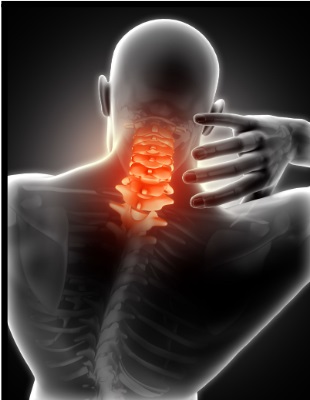
A 3 dimensional image of the back view of a man showing orange coloured cervical boned, suggestive of inflammation and possibly sites of pain from pinched nerves. Image Credit: Freepik
Related: Understanding Neck Pain: Causes, Symptoms and Treatment
The human spine has five parts: the neck (cervical), upper back (thoracic), lower back (lumbar), and the bottom two sections (sacral and coccygeal).
The neck region, called the cervical spine, is especially important because it is close to the head, protects the upper part of the spinal cord and contains important blood vessels that supply blood to the back of the brain.
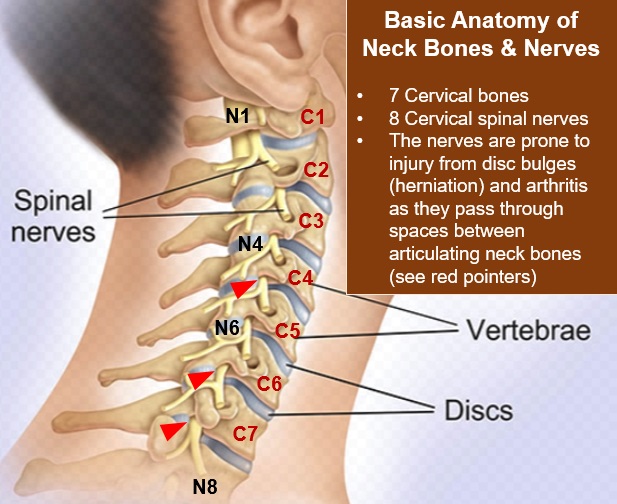
Fig. 1: Basic anatomy of neck bones and nerves. Click on image to enlarge.
This part of the spine has seven small bones stacked on top of each other (see fig. 1). They are supported by soft tissues like cartilage, ligaments, and muscles, which make your neck strong but also flexible enough to move in many directions.
Just like the rest of the spine, these bones are separated by discs that act as cushions and help with movement. The cervical spine also has a wider space (spinal canal) to safely hold the spinal cord, its coverings, blood vessels, and nerves (1). Because this area is so delicate, even small changes in the discs or joints can irritate nearby nerves.
Pinched nerves in the neck happens when a nerve gets pressed, irritated.or inflammed
In younger people (usually in their 30s and 40s), this is mostly due to a disc problem, such as a slipped or herniated disc. As people get older, wear-and-tear becomes the main cause. In the 50s and 60s, the discs start to degenerate, which can pinch the nerves. By the 70s, arthritis (bone spurs) and narrowing of the spaces where nerves exit the spine (foraminal narrowing) are the most common reasons for nerve compression (see fig. 1) (2).
These changes reduce the spaces for the nerve roots, leading to irritation and inflammation.
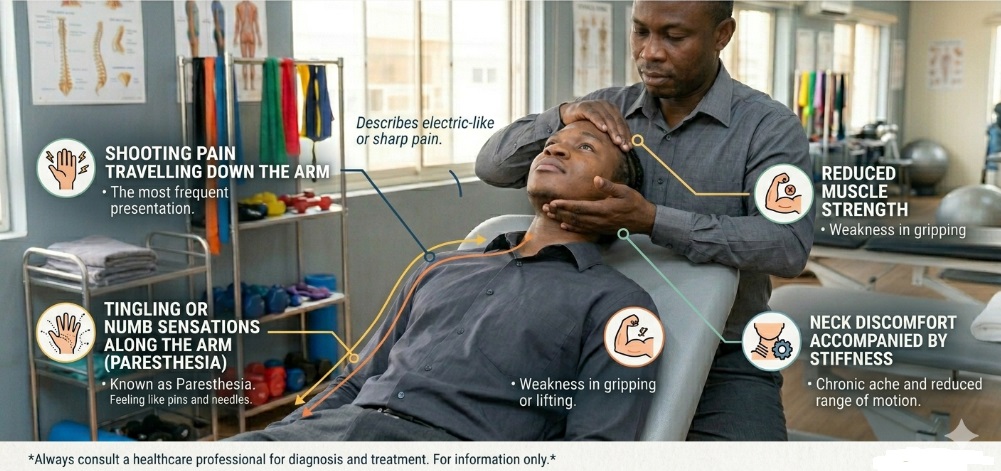
Poster image of a patient lying on his back on an inclined couch in a physiotherapy clinic, with captions used to display the common symptoms of neck pain. Image generated by Gemini AI. Click on image to enlarge.
Identifying the symptoms and signs of a pinched nerve at an early stage helps ensure quicker management and improved recovery.
Symptoms (what you complain about) may appear suddenly or develop gradually depending on the cause. They may include (2):
The most common signs are:
The following warning signs could suggest an infection or cancer and should be checked by a doctor quickly (2):
Doctors usually make the diagnosis following history taking, performing a physical examination, and running tests that may include X-rays or other imaging tests, blood tests and others [3].
Patients with cervical radiculopathy often describe a sharp or electric-like pain that starts in the neck and travels down the arm along the path of the affected nerve. This pain usually follows specific patterns on the skin called dermatomes. Other common symptoms include tingling, numbness, and muscle weakness. When these symptoms appear together, the chances of cervical radiculopathy are higher.
A thorough medical history should cover when and how the symptoms began, positions that make the pain better or worse, work or activities that strain the neck (like prolonged bending or lifting arms overhead), any past neck injuries, and treatments that have already been tried. A clinical exam helps your doctor identify which nerve root is affected
In performing a physical examination, your doctor will check how well your neck can move, as well as check for skin sensations, muscle strength and movements in the upper limbs.
Blood tests are generally used in the investigation of cervical radiculopathy to exclude other potential causes of the patient's symptoms, like infections, inflammation and metabolic bone diseases.
X-rays
X rays of the neck are often used to investigate neck and arm pain. Side (lateral) views can show disc narrowing and signs of wear-and-tear in the spine, while angled (oblique) views may reveal narrowing of the openings where nerves exit, matching the areas of nerve-related symptoms.
CT scans
CT Scans are particularly helpful for quickly assessing neck injuries after trauma that may affect the nerves.
MRI
When available, MRI is the preferred imaging test for cervical radiculopathy because it provides detailed pictures of soft tissues, such as herniated discs and compressed nerve roots [2].
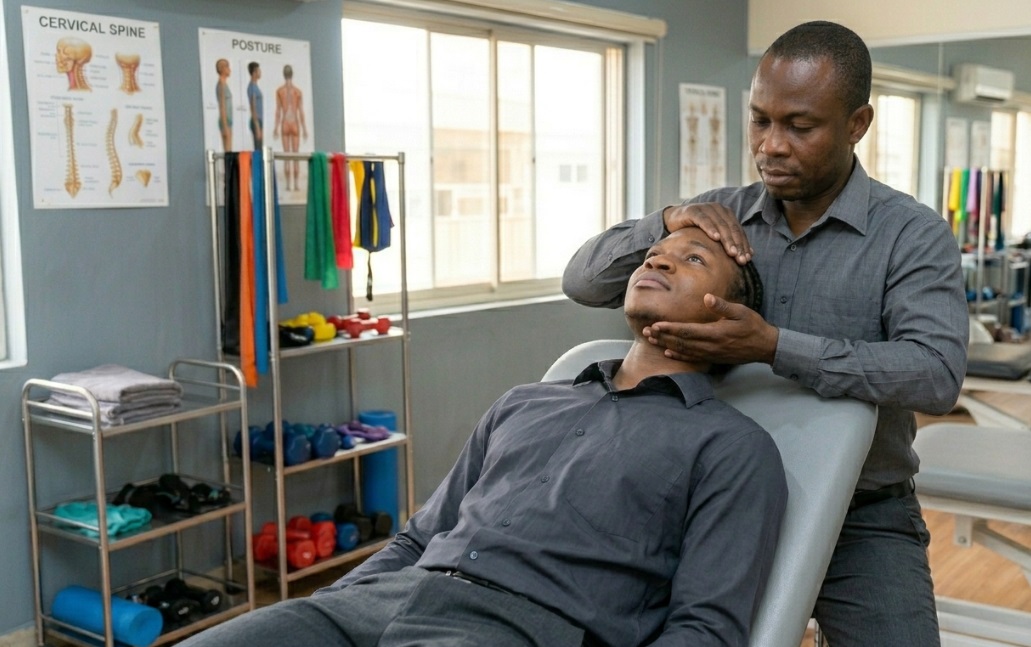
An African male physiotherapist guiding neck movement of an African patient in a physiotherapy clinic. The patient lies on his back on a reclined examination table while the physiotherapist gently moves the neck to assess pain and mobility. Image generated by Gemini AI for informational purposes only. Click on image to enlarge.
The main goals of treatment for cervical radiculopathy are to relieve pain, improve nerve function, prevent symptoms from returning, and help patients resume their normal daily activities.
Most patients start with non-surgical treatments, which may include (2):
Cervical steroid injections are usually considered if symptoms do not improve after 4–6 weeks of these conservative treatments.
Surgery is reserved for patients whose pain persists despite 6–12 weeks of non-surgical care or for those with severe or worsening nerve problems.
Surgical options include approaches from the front (anterior) or back (posterior) of the neck. For patients with a curved neck (cervical kyphosis), anterior procedures such as discectomy, corpectomy, or cervical disc replacement (using bones, cages, and plates) are generally preferred [3].
A pinched nerve in the neck can be painful and worrying, but in most cases, it improves with proper care and timely attention. Understanding the symptoms, recognising red-flag warning signs, and seeking the right treatment early can make a big difference in recovery. Simple lifestyle adjustments, good posture habits, and guided physiotherapy can help protect your neck and prevent future flare-ups. And remember if the pain is severe, persistent, or accompanied by concerning symptoms, getting medical help early is the safest choice for your long-term health.
1. Rahman S, Das JM. Anatomy, head and neck: cervical spine. [Updated 2023 Aug28]. In: StatPearls [Internet]. Treasure Island (FL): StatPearls Publishing; 2025. [Cited 2025 Oct 16]. Available from here.
2. Margetis K, Magnus W, Mesfin FB. Cervical radiculopathy. [Updated 2025 Aug 6].In: StatPearls [Internet]. Treasure Island (FL): StatPearls Publishing; 2025. [Cited 2025 Nov 10]. Available from here.
3. Kang KC, Lee HS, Lee JH. Cervical radiculopathy focus on characteristics and differential diagnosis. Asian Spine J. 2020 Dec; 14(6):921–30. Available from here.
Related:
Published: May 24, 2026
© 2026. Datelinehealth Africa Inc. All rights reserved.
Permission is given to copy, use, and share content freely for non-commercial purposes without alteration or modification and subject to source attribution.
DATELINEHEALTH AFRICA INC., is a digital publisher for informational and educational purposes and does not offer personal medical care and advice. If you have a medical problem needing routine or emergency attention, call your doctor or local emergency services immediately, or visit the nearest emergency room or the nearest hospital. You should consult your professional healthcare provider before starting any nutrition, diet, exercise, fitness, medical or wellness program mentioned or referenced in the DatelinehealthAfrica website. Click here for more disclaimer notice.