5 Daily Habits to Fight Off Multiple Illnesses
By: Foluke Akinwalere, Health & Medical Writer. Medically reviewed by the DLHA Team.
June 30, 2026

Image of a happy African couple jogging in a park with a background caption reading: 5 daily habits to fight off multiple illnesses. Image created from ChatGPT. Click on image to enlarge.
A landmark study published in JAMA in June 2026 followed over 1,100 adults for 20+ years and found that simple lifestyle changes reduced the risk of developing multiple serious illnesses such as heart disease, diabetes, kidney disease, cancer, and dementia by up to 25%.
Across sub-Saharan Africa, chronic diseases are rising fast. But the science is clear: prevention works, and it starts with everyday choices.
This slideshow breaks down 5 daily habits that can protect your health, explained in plain language, with practical tips that fit real African life.
Let’s get started.
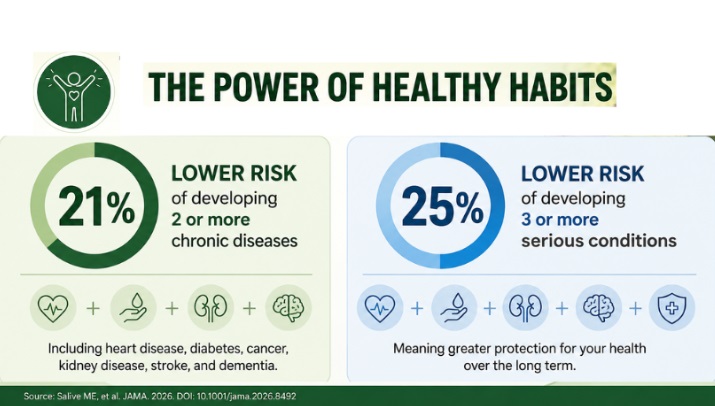
Infographic showing long-term health benefits of healthy habits, including reduced risk of chronic diseases. Image credit: OpenAI. Click on image to enlarge.
The major 20+ year study published in JAMA Network followed over 1,000 adults.
People who practiced healthy lifestyle habits had:
These benefits lasted for over 20 years.
Small habits. Big protection.
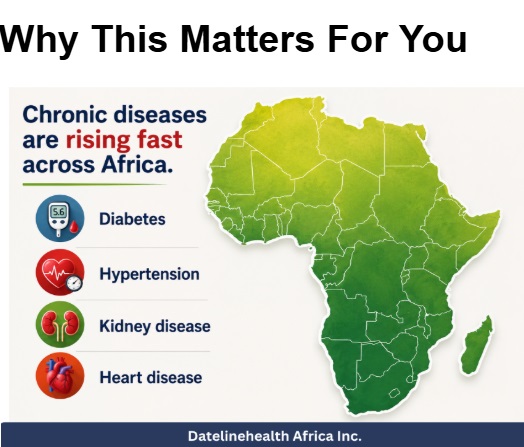
Infographic: Africa map and list of chronic diseases. Image Credit: OpenAI. Click on image to enlarge
Chronic diseases are rising fast across Africa:
Many people are managing 2, 3, or even 4 conditions at once, which puts enormous strain on families and health systems.
The good news?
This study shows that lifestyle habits, not medications, gave the strongest and most lasting protection.
These habits are achievable in everyday African life, with or without a gym membership or expensive foods.
Related: Non-Communicable Diseases in Africa: A Growing Health Challenge

Image of happy African friends in an active workout on sunny park stairs. Image created from ChatGPT. Click on image to enlarge.
Why It Matters:
Exercise reduces your risk of heart disease, diabetes, cancer, and dementia, all at once, by improving blood flow, regulating blood sugar, reducing inflammation, and strengthening your brain and immune system.
Aim for 150 minutes of moderate activity weekly. That’s just 30 minutes a day, 5 days a week.
Every movement counts.
Related:
Brisk Walking Lowers High Blood Pressure and Heart Disease Risks, Study
Got diabetes? Exercise Helps to Keep it in Check
2. Eat More Plant-based Foods

Image of an African couple preparing a meal with a variety of colorful food items. Image Credit: OpenAI. Click on image to enlarge.
A healthier diet lowers your blood pressure, blood sugar, and body weight. These are the three major disease drivers.
Reduce fried foods, sugary drinks, and excess salt. Fill half your plate with vegetables, legumes, or whole grains.
Food is medicine.
Related: What You Eat Influences Your Brain Health, Study Finds
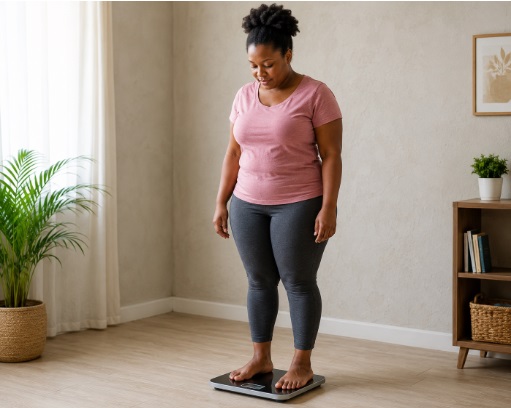
Image of an African woman checking her weight on a weighing machine. Image Credit: OpenAI. Click on image to enlarge.
Why It Matters:
Losing 7% of body weight (the study’s target) reduced the risk of developing multiple chronic conditions by more than 20%.
Even losing 5–10% of your body weight can significantly reduce disease risk. You don’t need to be ‘slim’. Aim for gradual, sustainable weight control.
Simple Way To Do It:
Related: Rising Obesity Rates Among African Women: A Growing Public Health Concern

Image of an African man peacefully sleeping in a soft-lit room. Image Credit: OpenAI Click on image to enlarge
Why It Matters:
Good sleep regulates blood sugar, blood pressure, and inflammation. This protects multiple organs at once.
Sleep is when your body repairs itself. Poor sleep raises your risk of diabetes, heart disease, obesity, and depression.
Related: Getting Good Sleep May Add Years To Your Life

Image of an African man avoiding alcohol and cigarettes. Image created from ChatGPT. Click on image to enlarge.
Quitting smoking at any age reduces disease risk dramatically, even within months of stopping.
Smoking and heavy drinking are among the top causes of cancer, lung disease, liver disease, and stroke.
Related: How to Quit Smoking and Improve Your Lung Health: A Guide for Africans
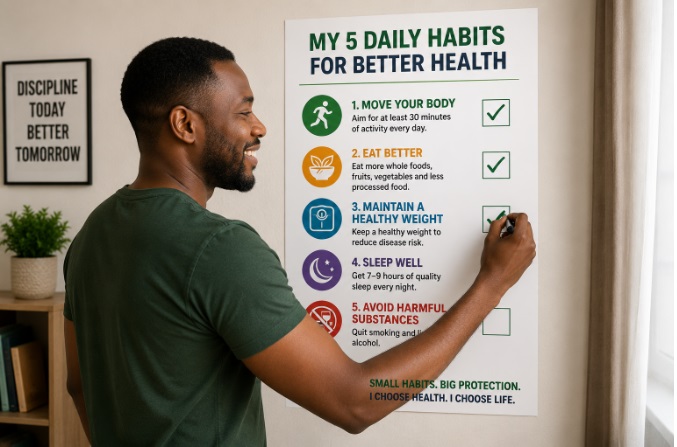
Image of a happy African man checking his health progress on a wall-pasted checklist. Image created from ChatGPT. Click on image to enlarge
The research is detailed. It is not about being perfect. It’s about being consistent.
Start today; one habit, one step, one day at a time.

Image of a smiling African couple in a park after a workout. Image credit: OpenAI. Click on image to enlarge.
Your health is worth fighting for. Start today.
Chronic disease is not inevitable. The science is clear: the choices you make every single day - how you move, what you eat, how you sleep, whether you smoke- add up to powerful, lasting protection for your body.
You don’t need a perfect lifestyle. You need a consistent one.
Your 5 Daily Commitments:
A 20+ year study proved it. Now it’s your turn to live it.
Source: Salive ME, Tjaden AH, Ames JR, et al. Lifestyle and Metformin Interventions and Risk of Multimorbidity in Adults With Prediabetes. JAMA. Published online June 15, 2026. doi:10.1001/jama.2026.8492 Available from here.
Related
10 Healthy Habits to Teach Your African Child
Simple Lifestyle Changes May Add Years to Life, Study Says
Short Bursts of Exercise Can Lower Risk of Major Diseases, Study Finds
Quitting Smoking Lowers Dementia Risk (But There Is a Catch)
Eat Dinner 3 Hours Before Bedtime for Better Heart Health
Published: June 30, 2026
© 2026. Datelinehealth Africa Inc. All rights reserved.
Permission is given to copy, use, and share content freely for non-commercial purposes without alteration or modification, and subject to source attribution.
DATELINEHEALTH AFRICA INC., is a digital publisher for informational and educational purposes and does not offer personal medical care and advice. If you have a medical problem needing routine or emergency attention, call your doctor or local emergency services immediately, or visit the nearest emergency room or the nearest hospital. You should consult your professional healthcare provider before starting any nutrition, diet, exercise, fitness, medical or wellness program mentioned or referenced in the DatelinehealthAfrica website. Click here for more disclaimer notice.