5 Ways Early Prenatal Care Protects You and Your Baby
By: Temitayo Adeola, RN, RM, RPHN Freelance health writer and DLHA Volunteer. Medically reviewed by: Onyinyechi Kalu, MB.BS.
August 24, 2026.
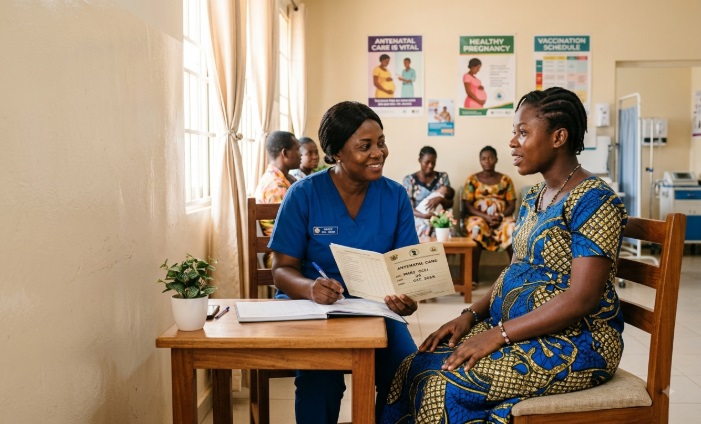
African pregnant woman having a prenatal consultation with a female healthcare professional in a clean, welcoming clinic. The healthcare worker listens attentively while reviewing her prenatal record. Image credit: Gemini AI. Click on image to enlarge.
Early prenatal care is often talked about, but what does it actually do for you and your baby?
Starting care early gives you an opportunity to understand your health, receive the right support and monitor your baby's wellbeing from the beginning.
It also allows healthcare professionals to assess existing health conditions, provide preventive care and follow how the pregnancy is progressing.
This slideshow highlights 5 ways early prenatal care protects you and your baby.
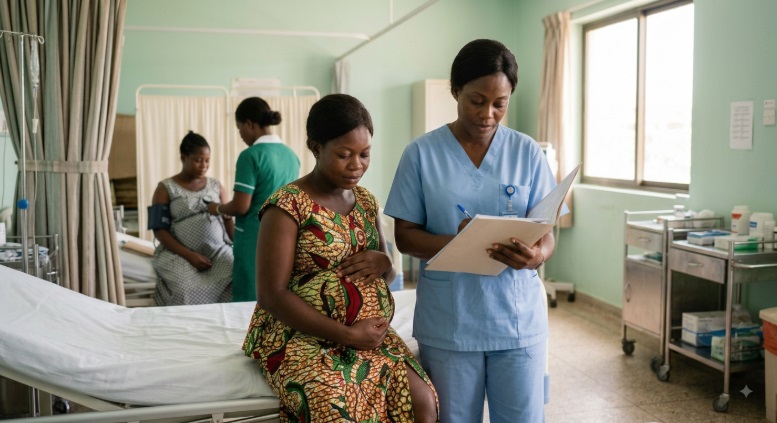
Pregnant African woman receiving care in a maternity ward while a healthcare professional reviews her medical notes. Image credit: Gemini AI. Click on image to enlarge.
Pregnancy complications can affect both mother and baby. Some common complications include:
Other complications include:
Although unmanaged and or poorly managed pre-existing chronic hypertension and diabetes are not complications that arise from pregnancy, they pose problems that need to be managed during antenatal care.
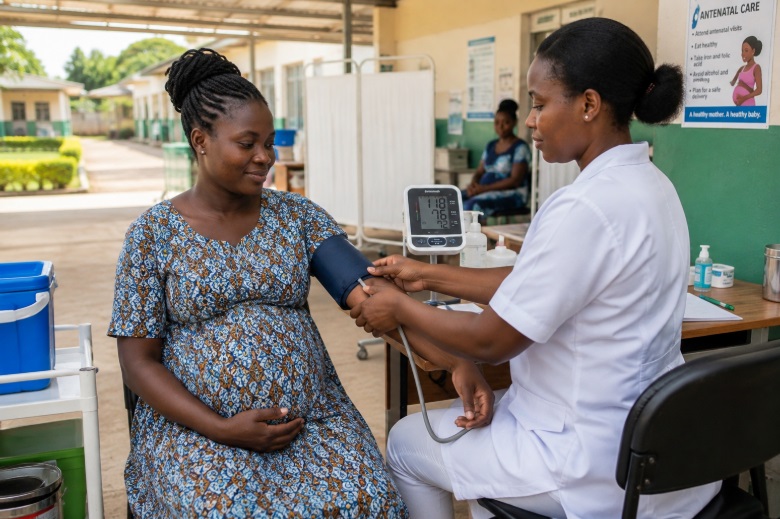
African pregnant woman having her blood pressure checked by a female healthcare professional in an open, clean maternal health clinic. The scene includes a digital blood pressure monitor and subtle medical equipment, creating a calm and professional atmosphere. Image credit: Gemini AI. Click on image to enlarge.
Some women enter pregnancy with health conditions they already know about, while others may have a condition that has not yet been diagnosed.
Checks such as blood pressure measurement and glucose screenings can identify problems that may require closer monitoring.
Early care also supports the management of conditions such as hypertension, diabetes or thyroid disease. Proper treatment and follow-up can reduce risks to both mother and baby.
2. Supports Early Detection and Management of Pregnancy Complications
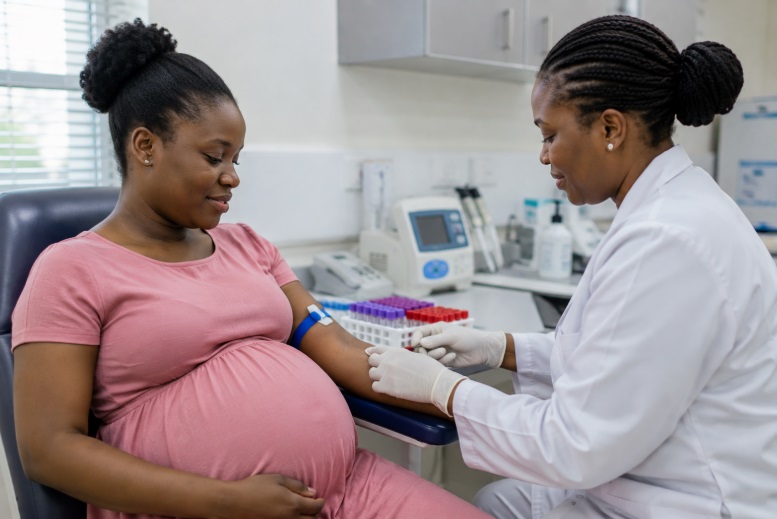
Pregnant African woman undergoing routine blood testing during a prenatal visit. Image credit: Gemini AI. Click on image to enlarge.
Some pregnancy complications begin with mild or unnoticed symptoms.
Routine checks and tests during prenatal visits can help identify problems such as severe anaemia, infections and other complications early.
Early detection gives healthcare professionals more time to provide appropriate treatment, monitoring or referral when needed, which can help reduce the risk of serious outcomes for both mother and baby.
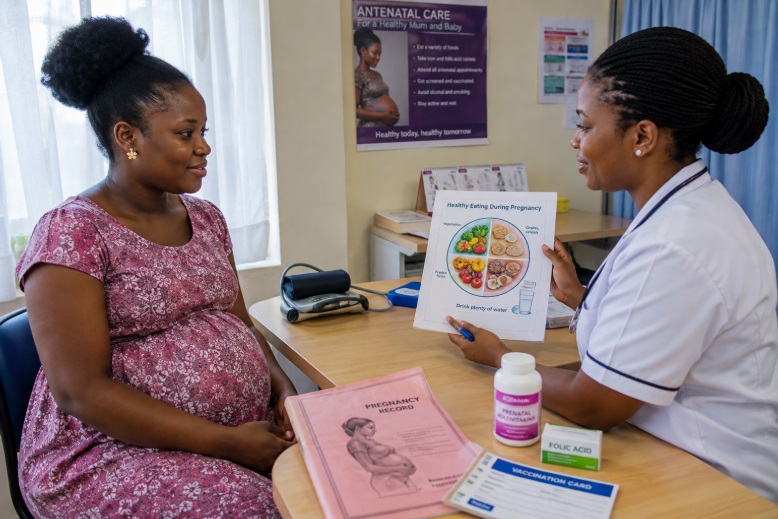
A pregnant African woman listening as a healthcare professional explains a healthy pregnancy food guide during a prenatal consultation. Image credit: ChatGPT. Click on image to enlarge.
Early prenatal care provides an opportunity to receive advice on healthy foods, hydration and healthy habits, including avoiding tobacco, alcohol and also some unsafe medications in pregnancy. It also provides an opportunity for non-invasive prenatal testing (NIPT) like ultrasound scan and blood tests that can help assess genetic health.
Recommended maternal immunisations, such as influenza or tetanus-containing vaccines, can also help protect the mother and provide protective antibodies to the baby.
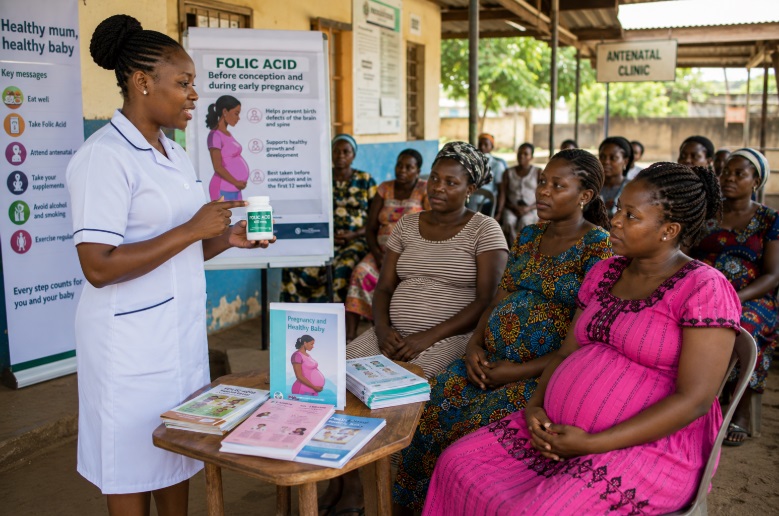
Healthcare professional educating pregnant women about folic acid during a group prenatal health session. Image credit: ChatGPT. Click on image to enlarge.
Prenatal care provides an opportunity for healthcare professionals to prescribe and review prescription medicines, vitamins and other supplements to ensure they are appropriate and safe for use during pregnancy.
Taking folic acid before conception and during early pregnancy helps lower the risk of neural tube defects (or early brain development abnormalites) affecting the baby's brain and spinal cord. This is why women who may become pregnant are encouraged to start folic acid before conception, rather than waiting until pregnancy is confirmed.
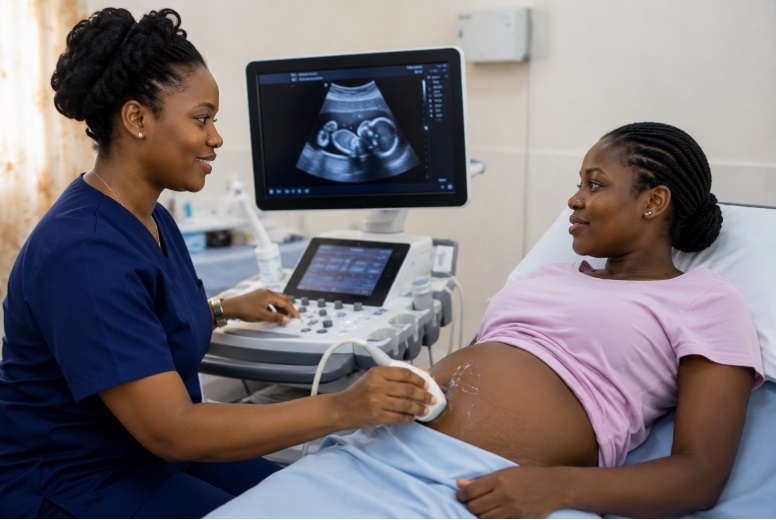
Pregnant African woman having an ultrasound scan at an antenatal clinic. Image credit: ChatGPT. Click on image to enlarge.
Monitoring the baby's growth and development is an important part of prenatal care.
Ultrasound scans and other routine checks can help healthcare professionals assess the baby's development, monitor progress of the pregnancy and screen for physical abnormalities in the baby that may suggest genetic disorders.
Early assessment can help establish gestational age more accurately, determine the expected due date, assess fetal position and ultimately determine the mode of delivery and planning appropriately.
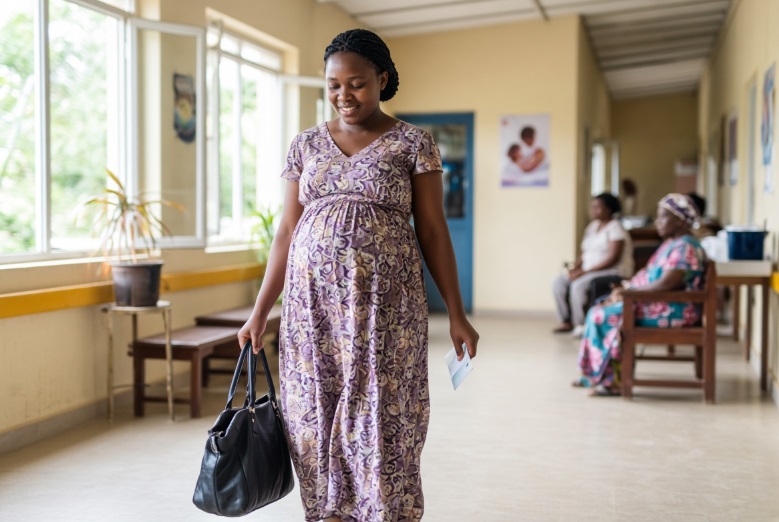
Pregnant African woman leaving an antenatal clinic with her antenatal card, while other patients wait nearby. Image credit: Grok. Click on image to enlarge.
Early prenatal care is an important part of protecting maternal and foetal health.
Regular prenatal care helps mothers stay informed, receive appropriate support and make timely decisions throughout pregnancy and even after delivery, especially during the puerperal period.
The earlier appropriate care begins, the more opportunities there are to identify concerns, provide support and take action when needed.
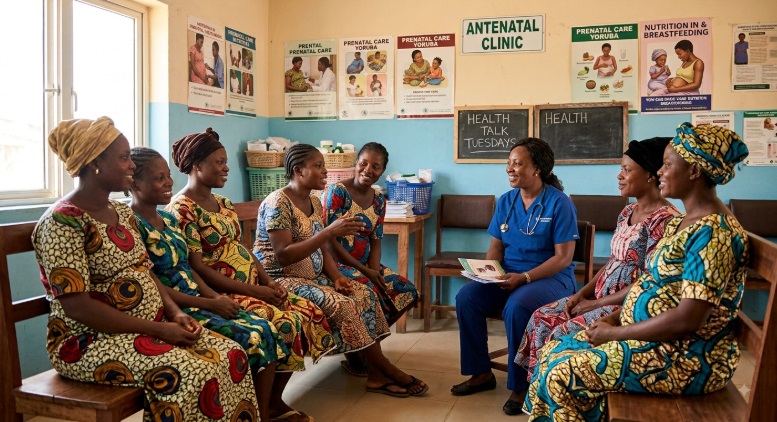
Pregnant African women asking questions and engaging in a group discussion with a healthcare professional during a prenatal health session. Image credit: Gemini AI. Click on image to enlarge.
You should start prenatal care as early as possible after confirming your pregnancy. Early visits allow healthcare professionals to assess your health, estimate how far along the pregnancy is, identify potential risks, and create a care plan that meets your individual needs.
Certain factors can increase the risk of complications during pregnancy. These may include:
Regular antenatal care helps healthcare professionals assess your health, monitor your pregnancy and identify factors that may require closer monitoring or specialist care.
No. You do not have to wait for your next appointment. If you notice a worrying change in your health during pregnancy, contact your healthcare provider or go to a health facility for assessment immediately.
Do not ignore symptoms because your next appointment is still some days or weeks away. Seeking advice early can help you receive the care you need at the right time.
Resources:
1. Karrer SA, Vadakekut ES, Hong PL. Initial Antepartum Care. [Updated 2024 Aug 12]. In: StatPearls [Internet]. Treasure Island (FL): StatPearls Publishing; 2026 Jan-. [Cited 2026 Aug 16]. Available from here.
2. HHS. OASH | Office on Women’s Health. Prenatal care and tests. [Internet]. Last updated: September 26, 2025. [Cited 2026 Aug 16]. Available from here.
Related:
Antenatal Care: Benefits of Booking Early
What Africans Need to Know About Antenatal Care
How Telemedicine Can Boost Antenatal Care in Africa
Services you should expect and get during Antenatal Care
Best Antenatal Care Practices in Africa
Published: August 24, 2026
© 2026. Datelinehealth Africa Inc. All rights reserved.
Permission is given to copy, use, and share content freely for non-commercial purposes without alteration or modification and subject to source attribution.
DATELINEHEALTH AFRICA INC., is a digital publisher for informational and educational purposes and does not offer personal medical care and advice. If you have a medical problem needing routine or emergency attention, call your doctor or local emergency services immediately, or visit the nearest emergency room or the nearest hospital. You should consult your professional healthcare provider before starting any nutrition, diet, exercise, fitness, medical or wellness program mentioned or referenced in the DatelinehealthAfrica website. Click here for more disclaimer notice.