Severe Period Pain in African Women: Common Causes and Treatment
Tamunobelema Bamson. B.Sc. Microbiology. Health & News Reporter and DLHA Volunteer. Medically reviewed by: O. Oni, MD. Family Medicine.
September 29, 2026
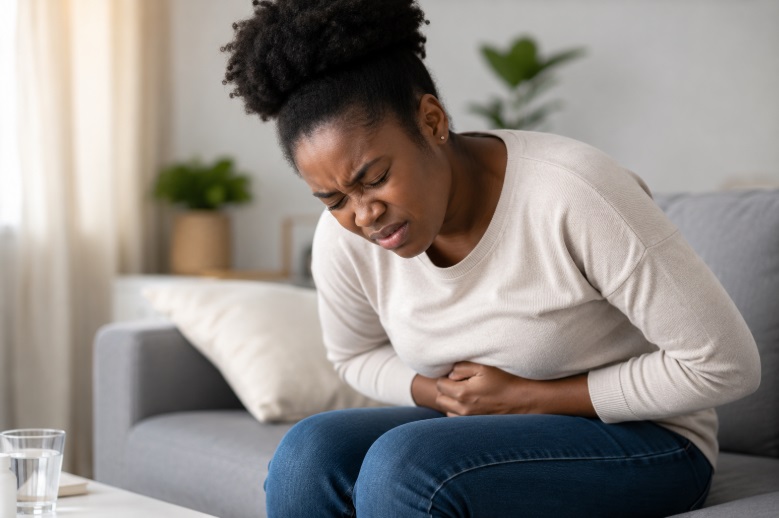
Photo of a young African girl crouching while sitting and experiencing possibly severe menstrual cramps. Image credit: Chat GPT.
Menstrual pain is a common experience for many women, especially during the first few days of their period. In fact, in Sub-Saharan Africa, about 51% to 88% of women experience menstrual cramps at some point in their lives. Yet, many of them fail to recognize when menstrual pain may be a sign of an underlying health condition.
While mild to moderate cramps are usually a normal part of menstruation, severe pain that interferes with daily activities, causes nausea, vomiting, dizziness, or lasts for several days is not normal and may be a sign of an underlying health condition that should not be ignored.
This article, helps women understand the difference between normal and abnormal menstrual pain, its causes, how to manage it, and when to seek medical attention.
To understand when pain becomes a concern, it is important to first know what is considered “normal.” Menstrual pain, also known as primary dysmenorrhea, refers to mild to moderate cramping or discomfort that many women experience just before or during their period. It usually does not prevent activities of daily living.
These cramps happen because of a natural chemical in the body called prostaglandins. During menstruation, the uterus produces higher levels of prostaglandins, which cause it to contract. These contractions help the uterus shed its lining, which is the blood and tissue released during a period.
When prostaglandin levels are high, the uterine contractions become stronger, which leads to pain and discomfort. Prostaglandin levels usually peak just before menstruation begins and gradually decrease once the period starts.
This is why cramps often feel most intense at the beginning of a period and then ease after a few days. In addition to cramping, some women may also experience symptoms such as mild nausea, fatigue, bloating, headaches, or diarrhea.
Every woman's period experience is different. While cramps are expected for many women, not all menstrual pain is normal. In some cases, the pain is more severe, begins before the period starts, lasts longer than usual, or worsens over time and commonly disturbs activities of daily living..
This type of pain is known as secondary dysmenorrhea and is usually caused by an underlying condition affecting the reproductive organs. Unlike primary dysmenorrhea, this type of pain is not normal and should not be ignored.
Some of the most common medical conditions associated with severe menstrual pain include:
A condition in which tissue similar to the lining of the uterus grows outside the uterus. Because this tissue responds to the menstrual cycle, it can cause inflammation, scarring, pelvic pain, and extremely painful periods.
This occurs when the tissue lining the uterus grows into the muscular wall of the uterus. Women with adenomyosis often experience heavy menstrual bleeding, severe cramps, and chronic pelvic pain.
These are noncancerous growths that develop in or around the uterus. Depending on their size and location, fibroids can cause heavy bleeding, pressure in the pelvis, and painful periods.
A bacterial infection of the reproductive organs that can cause pelvic pain, painful periods, and discomfort during sex.
Some women are born with abnormalities or genetic conditions like an irregular shaped uterus. These abnormalities can affect the uterus, ovaries, or fallopian tubes, and contribute to painful menstruation.
In some cases, particularly with copper IUDs, women may experience heavier bleeding and stronger menstrual cramps, especially during the first few months after insertion.
A hormonal condition that affects how a woman’s body functions. Women with PMOS may experience irregular periods or long gaps between periods, painful menstruation, and pelvic pain.
A primary care doctor or specialist gynaecologist would obtain a detailed history from you and carry out a focused pelvic examination to better understand your symptoms and aid proper diagnosis of your condition. Depending on the individual case, further investigations may be recommended, including:
A. Home Remedies
Fortunately, not all menstrual pain requires going to see a doctor. If your pains are mild to moderate and do not interfere with your daily activities, several home remedies can help provide relief even before seeing your doctor or another healthcare provider.
Over-the-counter pain relievers are often the first option for managing menstrual cramps. They are widely available at pharmacies and usually do not require a prescription. Common examples include nonsteroidal anti-inflammatory drugs (NSAIDs) such as ibuprofen, diclofenac, and aspirin. Other medications, such as paracetamol (acetaminophen) and hyoscine butylbromide (Buscopan, Boehringer Ingelheim), may also help relieve pain and discomfort during menstruation.
Heat is one of the simplest and most effective ways to relieve menstrual cramps. Applying a heating pad, hot water bottle, or warm compress to the lower abdomen can help relax the uterine muscles and reduce pain. Soaking in a warm bath may also provide relief by easing muscle tension and promoting relaxation. For women who are frequently on the move, heat patches can offer a convenient way to manage discomfort throughout the day.
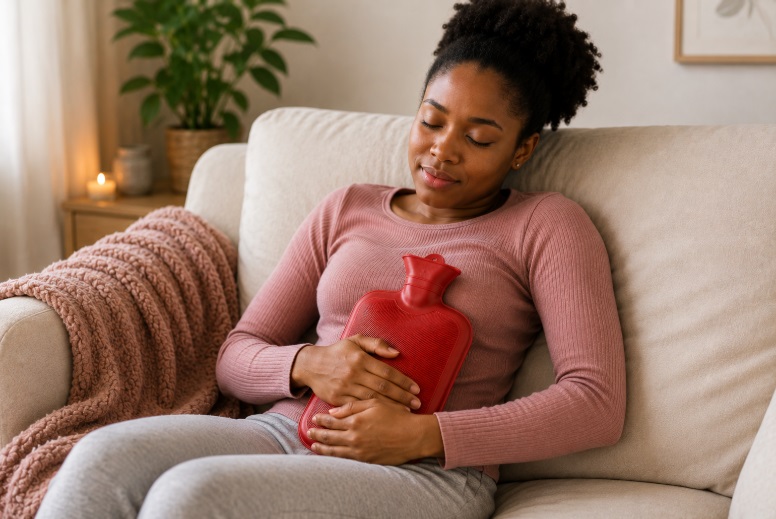
A young African woman sitting comfortably on a sofa while holding a hot water bottle against her lower abdomen. Her relaxed expression illustrates how heat therapy can be used as a simple home remedy to ease menstrual pain and discomfort. Photo credit: ChatGPT. Click on image to enlarge.
Diet can also influence the severity of menstrual cramps. A balanced diet rich in vitamins, minerals, fibre, and other essential nutrients can support hormonal balance and overall reproductive health. African foods such as leafy greens (ugu, spinach, and amaranth), beans, millet, sweet potatoes, bananas, avocados, groundnuts, and fish are highly recommended to help reduce inflammation and support muscle function. On the other hand, limiting foods high in salt, sugar, and caffeine may help reduce bloating, inflammation, and pain sensitivity during menstruation.
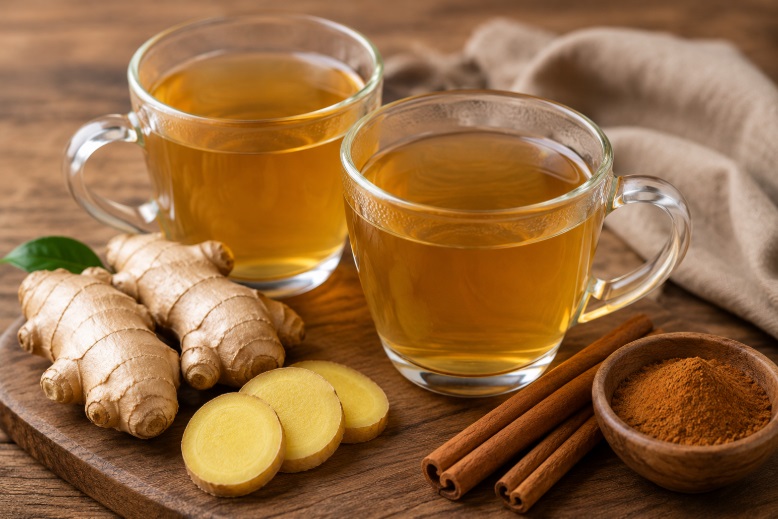
Image showing two glass teacups containing brewed solutions of ginger, cinnamon and fennel used as home remedies for managing mild to moderate menstrual pain. Image credit: ChatGPT Click on image to enlarge.
Herbal remedies can also help relieve menstrual pain. For generations, African communities and other parts of the world have used this method to manage menstrual pain. Some of the most commonly used options include ginger, cinnamon, and fennel. Among these, ginger is particularly popular because it is affordable, widely available, and easy to incorporate into meals or teas. Research suggests that ginger may help reduce menstrual pain and, in some cases, provide relief that is comparable to certain anti-inflammatory medications.
Gentle massage can also help ease menstrual discomfort. Massaging the lower abdomen, lower back, and sides of the body for about 20 minutes may improve blood circulation, relax muscles, and reduce cramping. Some women find additional relief when massage is combined with essential oils. Oils such as lavender, peppermint, rose, and fennel are commonly used because of their soothing and relaxing properties. While they may not eliminate pain completely, they can help make symptoms more manageable.
While home remedies may help relieve mild to moderate menstrual pain, severe or persistent symptoms often require prompt medical treatment.
Because severe period pain in most cases is linked to an underlying condition such as endometriosis, it is important to seek medical evaluation to identify and treat the underlying condition.
Depending on the severity of the symptoms and the underlying cause, a healthcare provider may recommend one or more of the following treatments:
Severe menstrual pain often requires stronger pain-relieving medications than those available over-the-counter. They include:
Hormonal medications such as birth control pills or hormonal intrauterine devices (IUDs) may be recommended. These can help regulate menstrual cycles, reduce hormone fluctuations, and make periods lighter and less painful.
If menstrual pain is linked to conditions such as endometriosis, Adenomyosis, PID with identified abscess or fibroids, surgical treatment may be considered. In some cases where other treatments are not effective and future pregnancy is not desired, removal of the uterus (hysterectomy) may also be discussed.
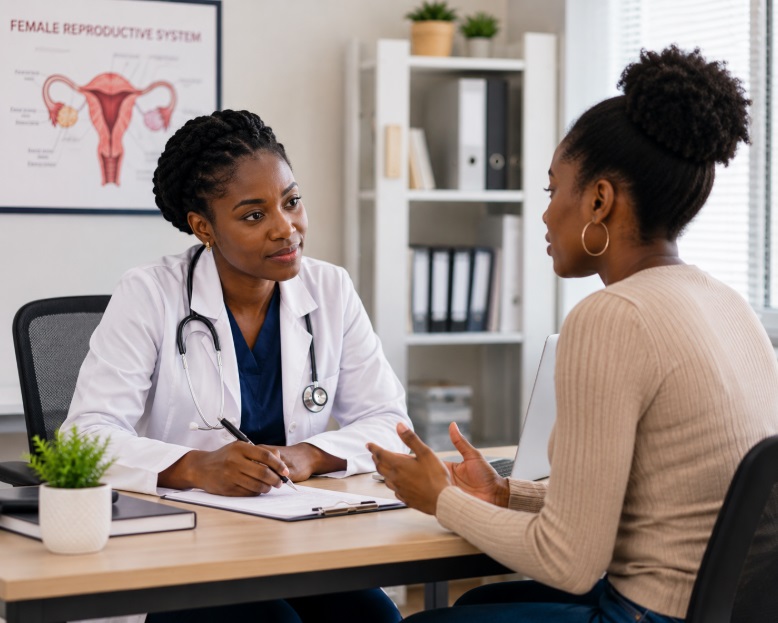
A young woman discussing her symptoms with a gynaecologist during a medical consultation. Photo Credit: ChatGPT. Click image to enlarge.
Once menstrual pain goes beyond typical cramps, it often comes with warning signs that should not be overlooked:
In some cases, the pattern of pain itself provides an important clue. For example, pain that begins up to a week before the period and continues throughout menstruation may be associated with conditions such as endometriosis.
This condition can also cause pelvic pain between periods, pain during sex, and pain during bowel movements. When this is combined with abnormal bleeding, the concern becomes even stronger.
Usually, the heavy or unusual bleeding may present as:
If these symptoms persist, worsen over time, or do not improve with home remedies and over-the-counter medications, it is important to consult a doctor or gynaecologist for proper medical evaluation and care.
In many African communities, menstruation is still surrounded by stigma, myths, and silence. As a result, many women grow up believing that severe period pain is something they must simply endure. Others may feel uncomfortable discussing menstrual symptoms or seeking medical help.
However, severe menstrual pain should not be ignored or considered normal, as it may be a sign of an underlying medical condition that requires attention.
Paying close attention to symptoms and seeking medical care when necessary can help identify the cause of the pain and ensure appropriate support and treatment. Therefore, if your pain is severe, go see your healthcare provider promptly or visit the nearest emergency service close to you immediately.
While mild to moderate cramps are usually a normal part of menstruation, severe pain that interferes with daily activities, or lasts for several days is not normal and may be a sign of an underlying health condition.
Pain that does not improve with over-the-counter medication, interferes with normal daily activities or is associated with severe nausea or vomiting and or heavy bleeding during your period cycle.
Oftentimes, period pain that is very severe could be a sign of an underlying health condition.
If your period pain is persistent, worsens over time, or does not improve with home remedies, it is important to consult a doctor or gynaecologist for proper evaluation and care.
Related:
Home Remedies for Period Pain in African Women
Best Over-the-Counter Medications for Period Pains
Treatment of Period Pain in African Females
Period Pain in African Females: Types, Causes and Symptoms
Menstrual Health Issues in sub-Saharan Africa: An Overview
Demystifying the Menstrual Cycle for African women
Published: September 29, 2026
© 2026. Datelinehealth Africa Inc. All rights reserved.
Permission is given to copy, use, and share content freely for non-commercial purposes without alteration or modification and subject to source attribution.
DATELINEHEALTH AFRICA INC., is a digital publisher for informational and educational purposes and does not offer personal medical care and advice. If you have a medical problem needing routine or emergency attention, call your doctor or local emergency services immediately, or visit the nearest emergency room or the nearest hospital. You should consult your professional healthcare provider before starting any nutrition, diet, exercise, fitness, medical or wellness program mentioned or referenced in the DatelinehealthAfrica website. Click here for more disclaimer notice.