High Ultra-Processed Food Intake Linked to Silent Brain Injury in Midlife
By Adebowale Bello. B.Tech Microbiology, Freelance Health Writer. Medically reviewed by the DLHA Team.
November 21, 2026.
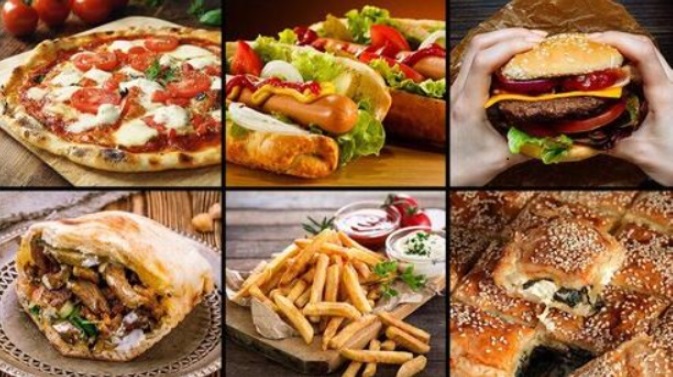
An image of a variety of ultra-processed foods. Image Credit: Ynet. Click on image to enlarge.
Your daily food choices can influence how your body stores fat, how well your blood vessels function and potentially how healthy your brain remains as you grow older.
In recent years, ultra-processed foods have attracted considerable attention because of their possible effects on human health as these foods are often convenient, affordable and readily available. From packaged snacks and sugary drinks to instant noodles and some ready-to-eat meals, they have become part of many people's diets.
Although previous research has linked high consumption of ultra-processed foods to obesity and other health problems, scientists are still investigating how these foods may affect the brain and a new study explored this relationship further.
The study investigated the relationship between ultra-processed food consumption, body fat, brain blood vessel health and cognitive performance, i.e., higher order brain functions like memory, thinking, decision making, etc.
The researchers analysed health and dietary information collected between 2010 and 2018 from 8,783 adults aged 35 to 69 years and the participants were drawn from two Canadian research projects namely the Canadian Alliance for Healthy Hearts and Minds and the Prospective Urban and Rural Epidemiology-MIND study.
They also wanted to understand whether people who consumed more ultra-processed foods were more likely to have increased body fat, signs of damage to blood vessels in the brain or poorer cognitive performance.
To assess participants' diets, the scientists used food questionnaires that asked about their usual food and drink consumption over the previous year. They then classified the foods using the NOVA food classification system, which groups foods according to how they are processed.
The participants were divided into four groups based on their ultra-processed food consumption. Those in the first group had the lowest consumption, while those in the fourth group had the highest.
The study also assessed participants' body fat, including the fat stored around their internal organs. MRI scans, which produce detailed images of structures inside the body, were used to check for signs of blood vessel damage in the brain.
Furthermore, factors that could influence the findings, including participants' age, sex, income, education, physical activity, smoking habits and history of certain health conditions were considered.
Participants who consumed the most ultra-processed foods had higher body fat percentages than those who consumed the least.
After accounting for other factors that could influence the results, the researchers found that participants in the highest consumption group had a body fat percentage that was 1.7 percentage points higher than those in the lowest group and they also had approximately 5.7 millilitres more visceral fat.
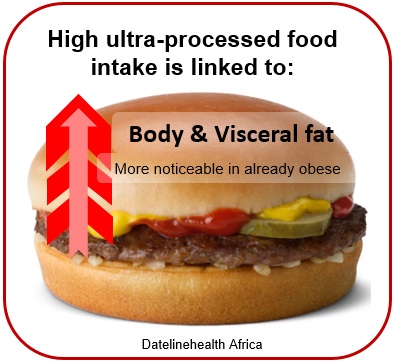
Infographic highlighting the association of high ultra-processed food intake (hamburger) with increased body and visceral fat. Click on image to enlarge.
Visceral fat is the fat stored deep inside the abdomen, around organs such as the liver, intestines and pancreas. It differs from the fat that lies just beneath the skin, which can be pinched or felt around areas such as the arms, thighs and waist.
Although the body needs some fat to function properly, excessive visceral fat can increase the risk of health problems. It is associated with conditions such as insulin resistance, type 2 diabetes, high blood pressure and cardiovascular disease.
The researchers also found that the association between ultra-processed food consumption and increased body fat was more noticeable among participants who already had obesity. However, they did not find a significant association between consuming ultra-processed food and liver fat but these findings suggest that people who consume more ultra-processed foods may be more likely to accumulate excess body fat, particularly around their internal organs.
Perhaps the most interesting finding was the relationship between ultra-processed food consumption and signs of injury.to the blood vessels of the brain.
The researchers used MRI scans to look for two conditions that can indicate damage to the brain's blood vessels.
The first was covert brain infarction. This occurs when blood supply to a small area of the brain is interrupted, resulting in damage to brain tissue. Unlike a typical stroke, it may occur without obvious symptoms that alert the affected person or those around them.
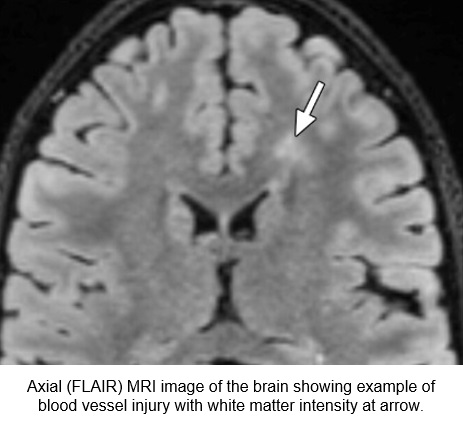 The second was high white matter hyperintensities. These are areas that appear unusually bright on certain MRI scans and can indicate damage to the brain's white matter, which helps different parts of the brain communicate with one another.
The researchers found that participants in the highest ultra-processed food consumption group had 40% higher odds of showing signs of injury.to the blood vessels of the brain than those in the lowest consumption group. To put this into perspective, 8.1% of participants in the lowest consumption group had evidence of vascular brain injury, compared with 11.3% in the highest group.
This is an important observation because damage to the brain's blood vessels can occur without obvious symptoms. Some people may have these changes without experiencing noticeable problems with their memory, speech or other mental abilities. Over time, however, certain forms of injury.to the blood vessels of the brain are associated with an increased risk of stroke and cognitive problems (i.e., memory and thinking to name a few).
Despite finding an association between ultra-processed food consumption and signs of vascular brain injury, the scientists did not find a significant relationship between the foods and participants' cognitive performance.
The participants completed tests that assessed different mental abilities, including attention, processing speed and working memory. Their results were generally similar across the four groups, suggesting that those who consumed more ultra-processed foods did not necessarily perform worse on the cognitive tests.
This finding helps us understand that a person can have changes in their brain's blood vessels without immediately experiencing difficulties with memory or thinking and it is possible that some of these changes may occur before measurable cognitive problems develop. However, the study did not follow participants over time to establish whether those with signs of vascular brain injury eventually experienced cognitive decline.
In many Sub-Saharan African communities, traditional meals are prepared using ingredients such as beans, vegetables, grains, fish, meat and other locally available foods. However, packaged snacks, sugary drinks, instant noodles and other convenient food products are also widely available.
For many people, these products are attractive because they are easy to prepare, require little cooking time and are readily accessible. It is important to note that not every packaged or processed food is ultra-processed. For example, frozen vegetables, plain yoghurt and canned beans may undergo processing without necessarily being classified as ultra-processed foods.
The NOVA classification considers the extent and purpose of food processing, including the ingredients and methods used to produce the final product.
The study suggests that diets containing large amounts of ultra-processed foods may be associated with increased body fat and potentially unfavourable changes in the brain's blood vessels. This is relevant because conditions such as obesity, high blood pressure and type 2 diabetes are important public health concerns across many Sub-Saharan African countries and these conditions can also increase the risk of cardiovascular disease and stroke.
Reducing ultra-processed food consumption does not mean that you must completely avoid every packaged food product or make drastic changes to your diet. Instead, consider making gradual changes that allow you to eat a greater variety of foods that have undergone little or no industrial processing.
Here are some practical steps:
The goal is not to make eating unnecessarily difficult or expensive. It is to develop eating habits that support good health over time.
First, the study used a cross-sectional design. This means that the researchers assessed participants' dietary habits and health outcomes at one point in time. They could identify associations between ultra-processed food consumption and certain health indicators, but they could not establish whether the foods caused the observed changes.
Second, participants reported their food consumption using questionnaires. This approach depends on people's ability to remember what they ate and how frequently they consumed particular foods. Some participants may have forgotten certain foods or inaccurately reported their usual intake.
Third, the association between ultra-processed food consumption and vascular brain injury was not consistent across all the researchers' analyses. When they measured consumption using alternative methods, such as the percentage of daily energy obtained from ultra-processed foods, the association was no longer statistically significant. This means the brain injury finding requires further confirmation.
More research, particularly studies that follow participants over several years, is needed to determine whether high ultra-processed food consumption contributes directly to vascular brain injury and whether these changes increase the risk of future cognitive problems.
The findings of this study add to growing concerns about the possible health consequences of consuming large amounts of ultra-processed foods.
The study found that adults who consumed more of these foods tended to have higher body fat levels and more visceral fat. They also had higher odds of showing signs of damage to blood vessels in the brain. However, the study did not find a significant association between ultra-processed food consumption and cognitive performance. It also did not establish that the foods directly caused the observed changes.
Although further research is needed, the findings highlight the importance of paying attention to what we eat and how our dietary choices may affect our health over time. Choosing more whole and minimally processed foods, limiting sugary drinks and reducing frequent consumption of heavily processed snacks are practical steps towards a healthier diet.
Source: de Souza RJ, Schulze KM, Desai D, et al. Ultra-processed Food Intake and Adiposity, Vascular Brain Injury, and Cognition in Middle-Aged Adults. JAMA Netw Open. 2026;9(10):e2639118. doi:10.1001/jamanetworkopen. Available from here
Related:
How Ultra-Processed Foods Affect Bone Health and Fracture Risk
Ultra-Processed Foods Raises Early Death Risk
What You Eat Influences Your Brain Health, Study Finds
Published: November 21, 2026.
© 2026. Datelinehealth Africa Inc. All rights reserved.
Permission is given to copy, use and share content for non-commercial purposes without alteration or modification and subject to attribution as to source.
DATELINEHEALTH AFRICA INC., is a digital publisher for informational and educational purposes and does not offer personal medical care and advice. If you have a medical problem needing routine or emergency attention, call your doctor or local emergency services immediately, or visit the nearest emergency room or the nearest hospital. You should consult your professional healthcare provider before starting any nutrition, diet, exercise, fitness, medical or wellness program mentioned or referenced in the DatelinehealthAfrica website. Click here for more disclaimer notice.