6 Cancer Types Most Common in Nigerian Women
By: Kelechi Nwaowu, RN, RM, BNSc, Freelance Medical and Health Writer. Medically reviewed by: the DLHA Editorial Team.
October 17, 2026
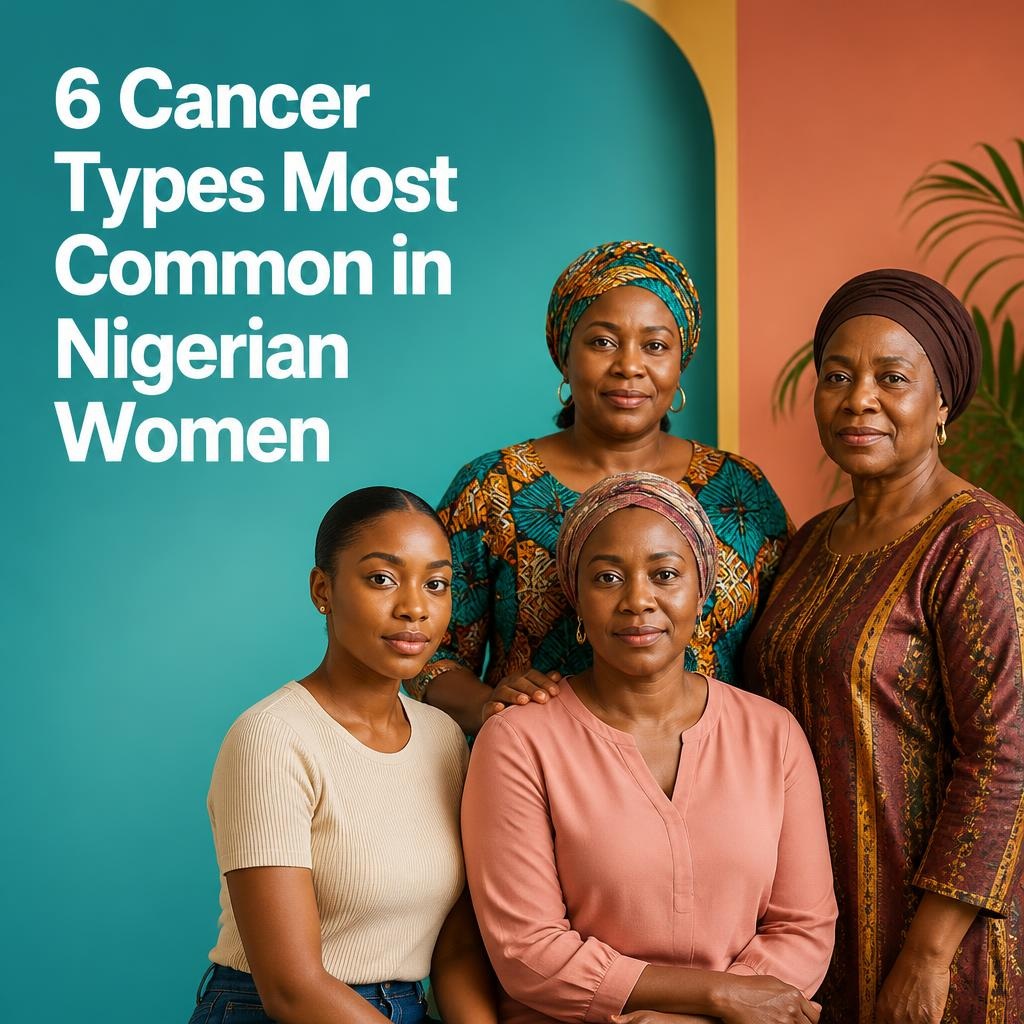
Photo of four Nigerian women, ranging from their twenties to their sixties, posing together against a colourful background. Image Credit: Leonardo, Click on image to enlarge.
Cancer is one of the leading causes of death among Nigerian women.
Nigeria records an estimated 150,000+ new cancer cases every year, causing over 90,000 deaths annually, and women account for the majority of these cancer deaths [1, 2]. Despite this, most women are diagnosed late, that is, when the cancer has already spread, and treatment options are limited. Early awareness can, however, change that.
This slideshow guides you through the six common cancers that affect Nigerian women the most, the signs to watch for, and how early detection can save your life.
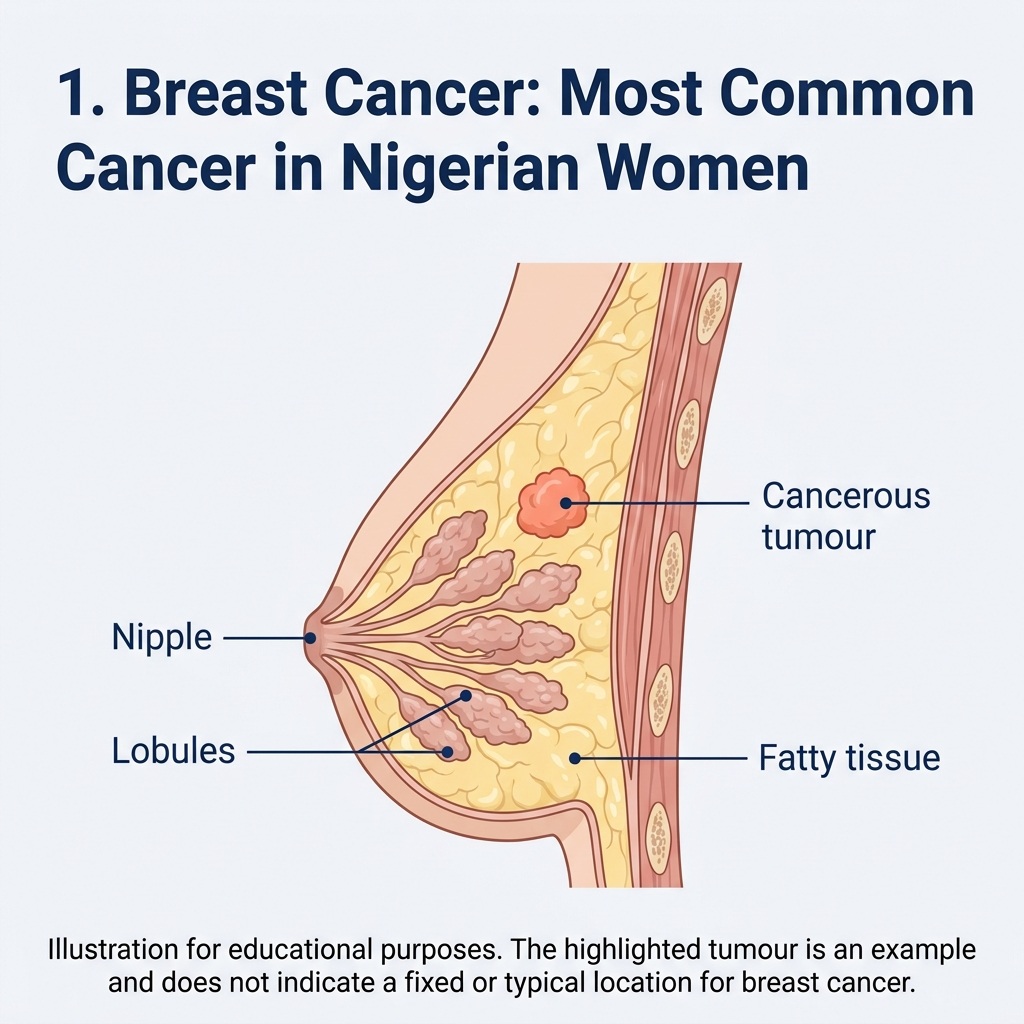
A cross-section of one breast showing the nipple, lobules, fatty tissue, and underlying chest wall, with a small coral-highlighted tumour within the breast tissue. Fact-checked for medical accuracy. Image Credit: Gemini AI. Click on image to enlarge.
Breast cancer is the most common cancer among Nigerian women, accounting for about 49.3% of all female cancer cases [1].
Risk factors include being over 40 years old, a family history of breast cancer, and obesity and more [3].
Monthly breast self-examination and yearly or biannual clinical breast examination by a healthcare provider are the most accessible tools for early detection.
Related: Breast cancer in Africa: What You Need to Know
2. Cervical Cancer: Preventable, But Still Kills Nigerian Women
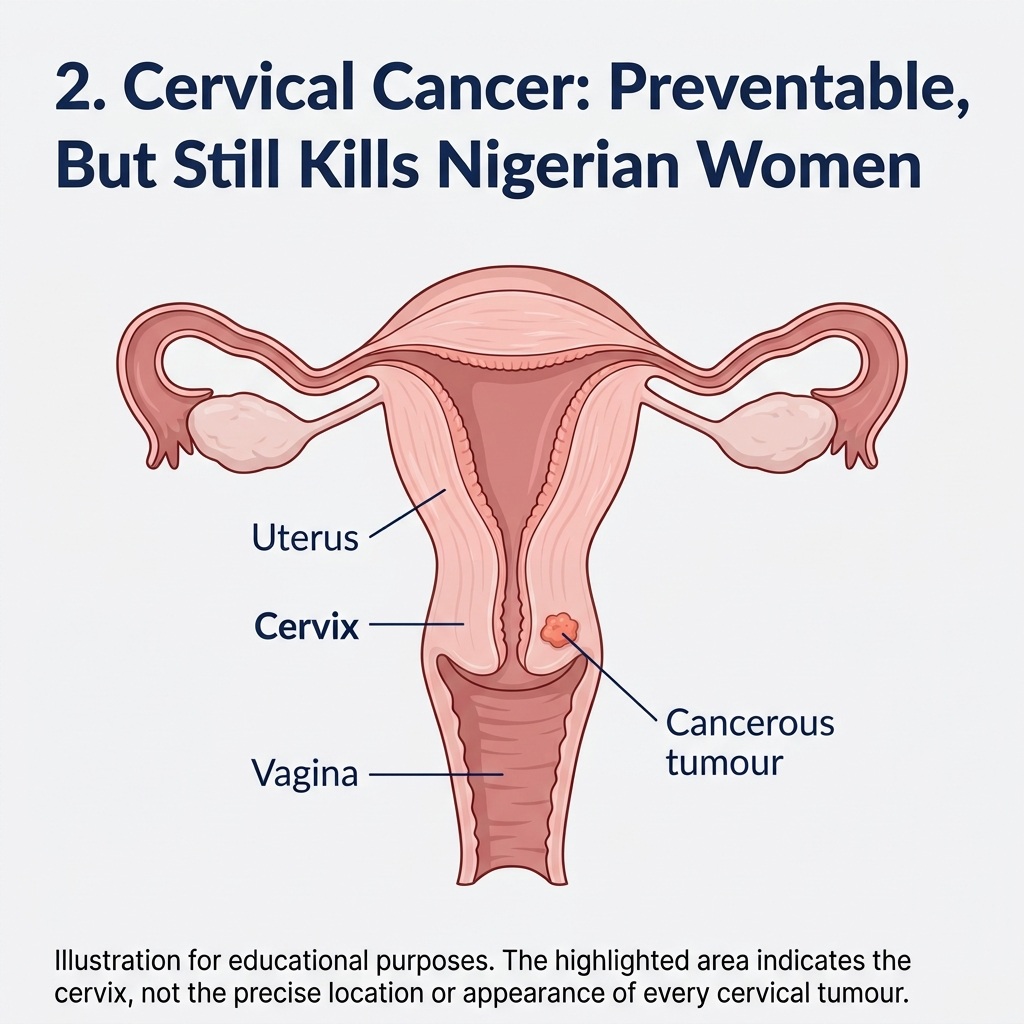
A frontal anatomical illustration of the uterus, cervix and upper vagina, with a cancerous tumour highlighted in the cervix to indicate the site of cervical cancer. Fact-checked for medical accuracy. Image Credit: Gemini AI. Click on image to enlarge.
Cervical cancer is the second most common cancer in Nigerian women, with an estimated 12,312 new cases and 7,599 deaths recorded in 2024 [1].
In nearly all cases, cervical cancer is caused by persistent infection with the human papillomavirus (HPV)
HPV is a common virus spread through sexual contact; therefore, every Nigerian .woman, especially if sexually active, should receive HPV vaccination [4]. Because few Nigerian women have been screened for cervical cancer, most cases are caught late.
Related: Cervical Cancer: What African Women Need to Know and Cervical cancer screening information for African women
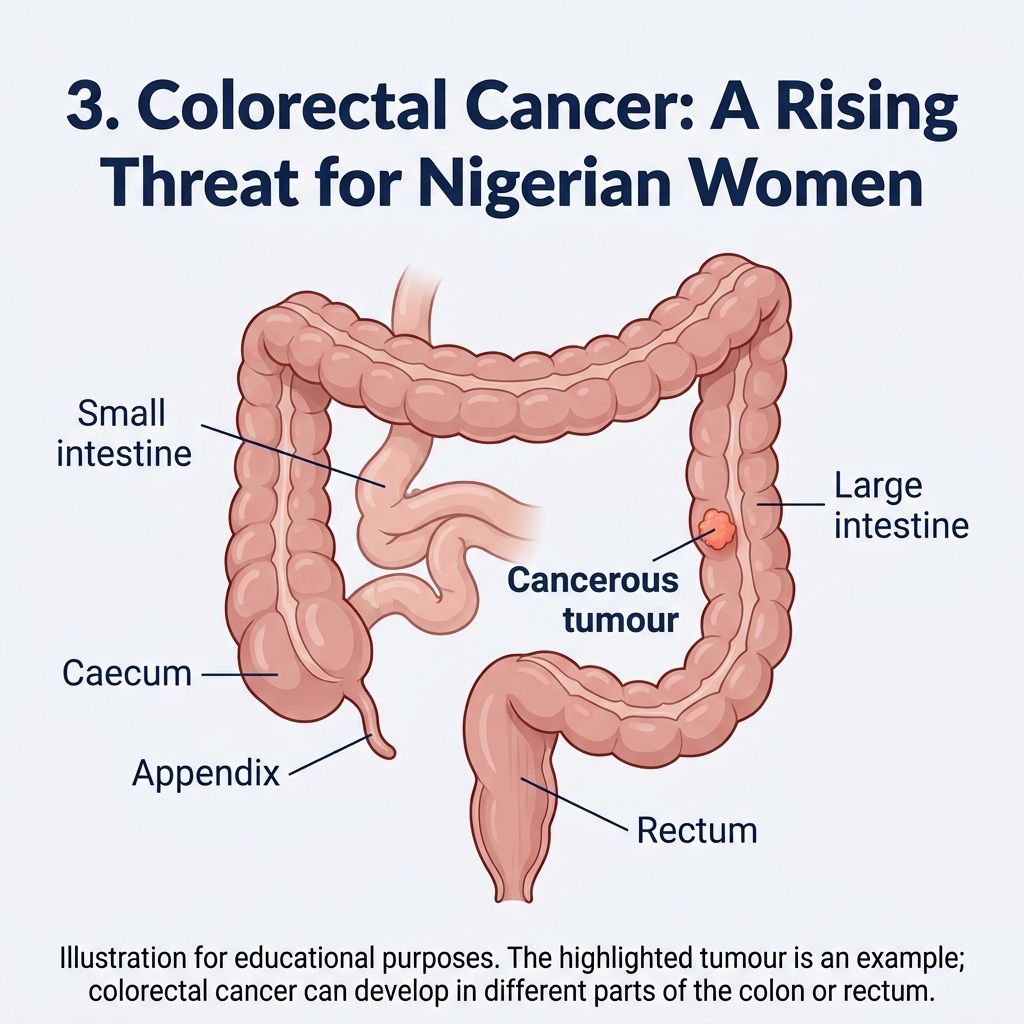
A frontal illustration of the large intestine with the main sections of the colon and rectum visible. A small coral highlight indicates one illustrative possible cancer site. Fact-checked for medical accuracy. Image Credit: Gemini AI. Click on image to enlarge.
Colorectal cancer (cancer of the large intestine or rectum) accounts for about 4.7% of all new cancer cases in Nigeria and is rising steadily [1]. It affects both men and women, but women with a diet high in processed foods, physical inactivity, or a family history of the disease are at increased risk [5].
It is of particular concern because many women do not associate digestive symptoms with cancer, and as a result, they dismiss the symptoms easily.
Related: Colon cancer: Symptoms, Causes, Risk factors, Diagnosis Treatment and Prevention
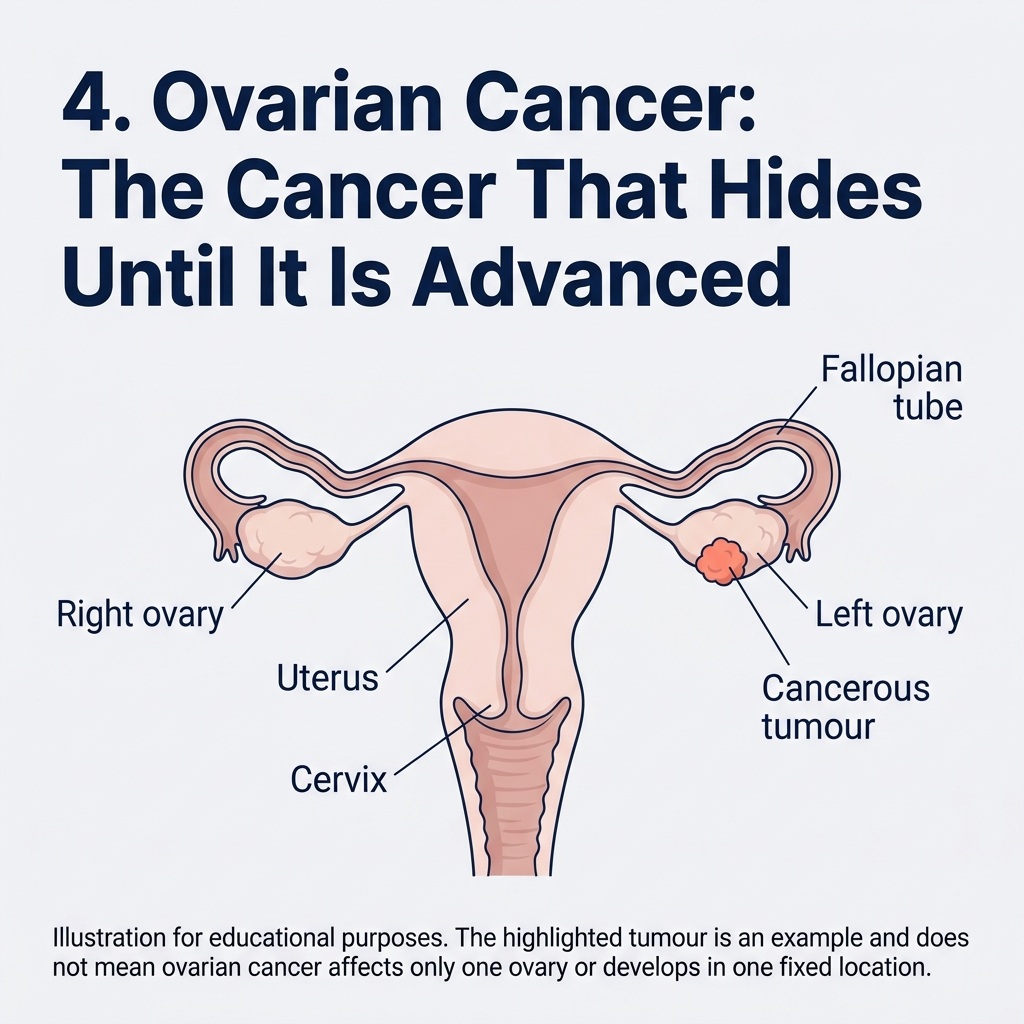
A frontal illustration of the female reproductive system, with both ovaries, the fallopian tubes and the uterus visible. The left ovary contains a small illustrative coral highlight labelled as a cancerous tumour. Fact-checked for medical accuracy. Image Credit: Gemini AI. Click on image to enlarge.
Ovarian cancer affects the ovaries (the organs that produce eggs in women). It is among the most dangerous gynaecological cancers because it rarely causes obvious symptoms in its early stages.
By the time it is diagnosed in many Nigerian women, it has often already spread. Women who are over 40, started menstruating before age 12, and have not been pregnant before are at a higher risk of ovarian cancer [6].
Related: Common Gynaecological Cancers in African Women
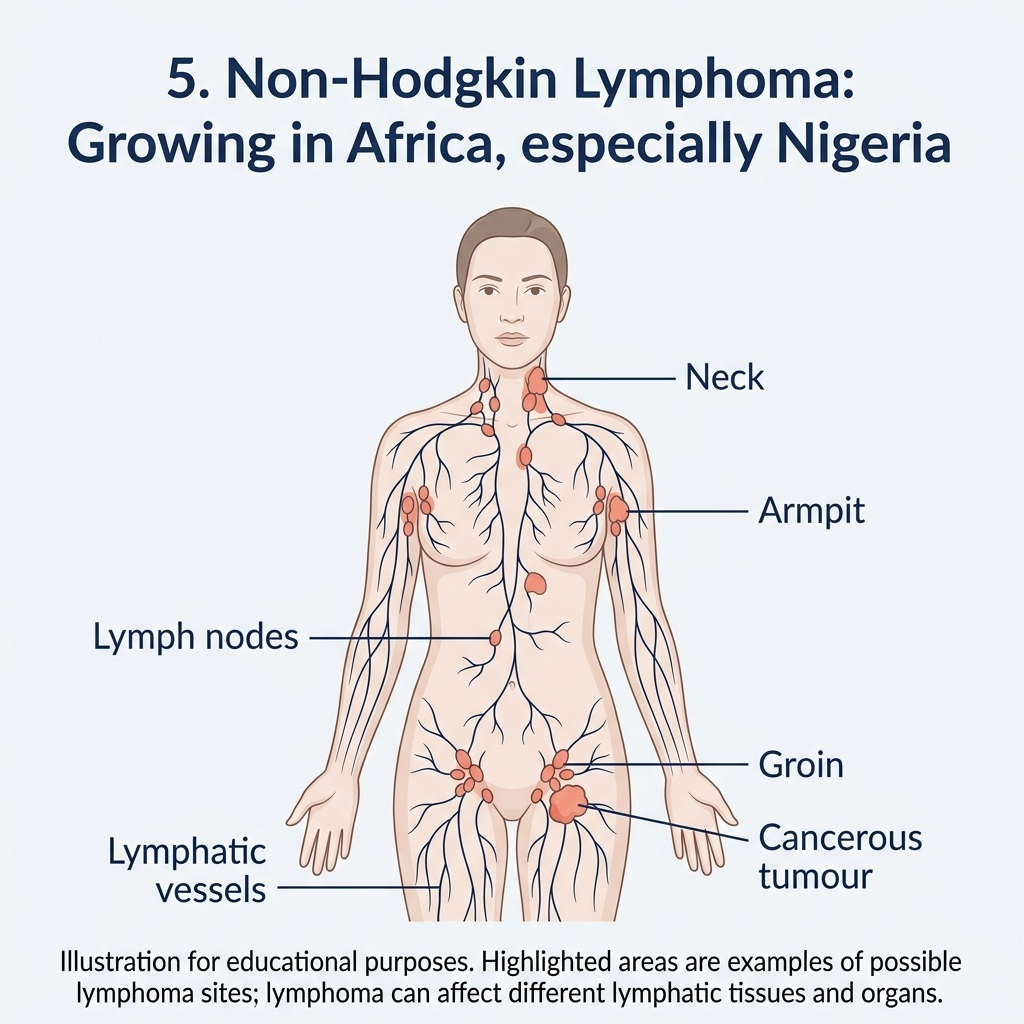
A front-view illustration of a woman showing lymphatic vessels and major lymph-node groups, with selected nodes highlighted in coral. A cancerous tumour shown in the groin. Fact-checked for medical accuracy. Image Credit: Gemini AI. Click on image to enlarge.
Non-Hodgkin Lymphoma (NHL) is a cancer of the lymphatic system. The lymphatic system is a network of vessels and glands that supports the immune system. This cancer can develop in any lymph node in the body (e.g., the neck, armpit, and groin) and represents a little over 1 in 5 (23%) of all blood cancers in Nigeria, according to one hospital study.
Women are slightly less affected by NHL, but those with a weakened immune system (like those living with HIV), autoimmune diseases (like rheumatoid arthritis), and a family history of the disease are more prone to develop this cancer [7].
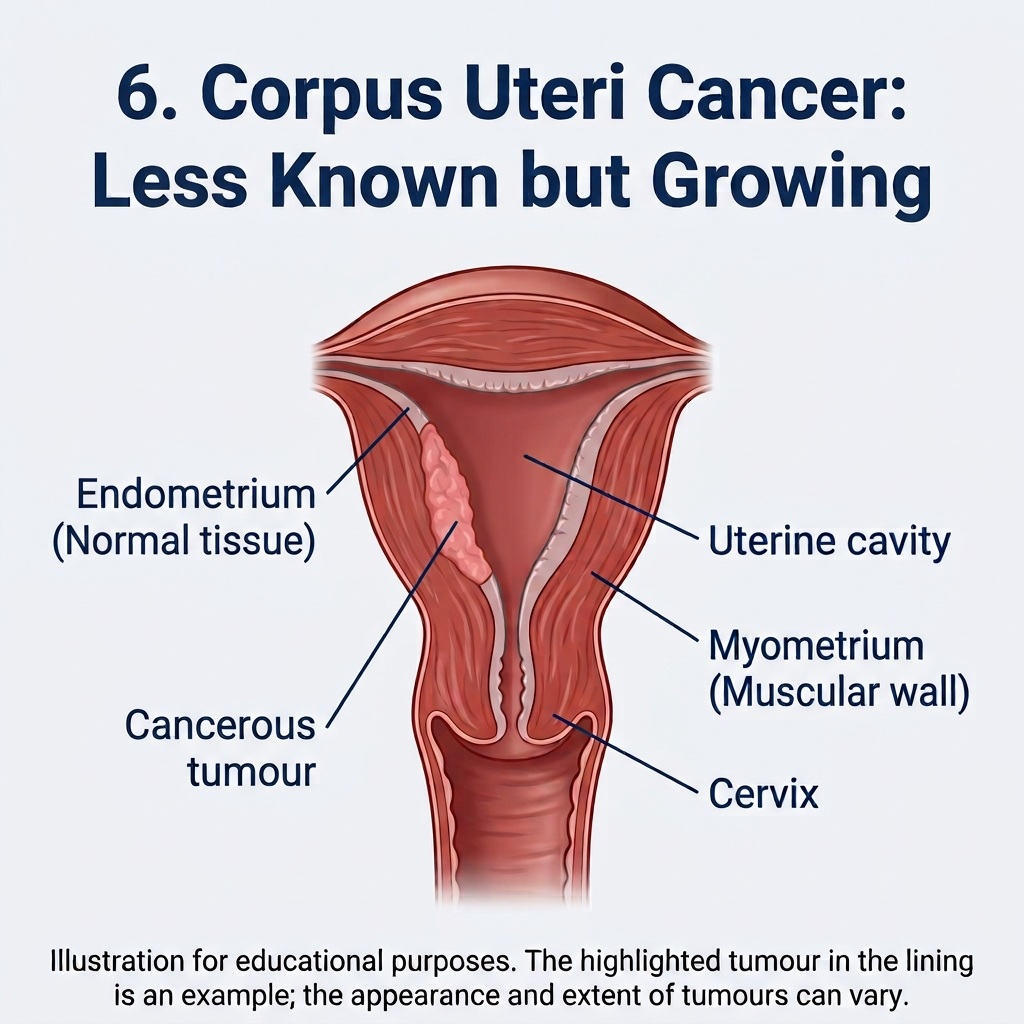
A cutaway illustration of the uterus showing the endometrium, uterine cavity, muscular wall, and cervix. The cancerous tumor in the endometrium is highlighted in coral. Fact-checked for medical accuracy. Image Credit: Gemini AI. Click on image to enlarge.
Corpus uteri cancer (cancer of the uterine lining) is a major gynecological cancer that accounts for about 2.5% of all female cancer cases, with over 2,200 cases and 1,134 deaths in Nigeria in 2024 [1].
It develops in the lining of the womb, primarily affecting women post-menopause. Conditions that alter the balance of estrogen and progesterone in the body, such as obesity or hormonal imbalances, significantly increase risk.
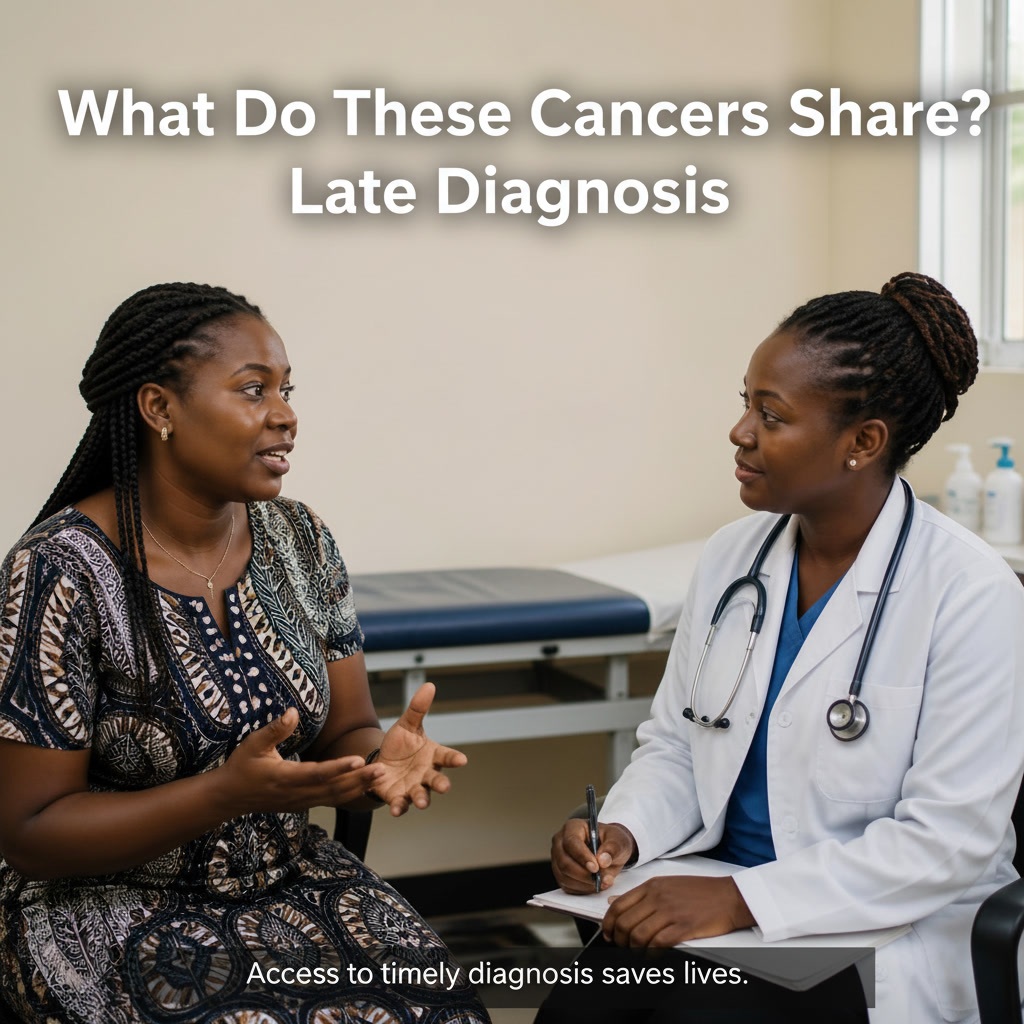
A young Nigerian woman discussing with a female healthcare professional in a calm, clinical setting. Image Credit: Leonardo AI, Click on image to enlarge.
One of the biggest challenges with cancer in Nigeria is that most women are diagnosed at a late stage when the cancer has already spread, making treatment harder, more expensive, and less effective.
The reasons for late diagnosis include:
Early diagnosis is one of the most effective ways to save lives.
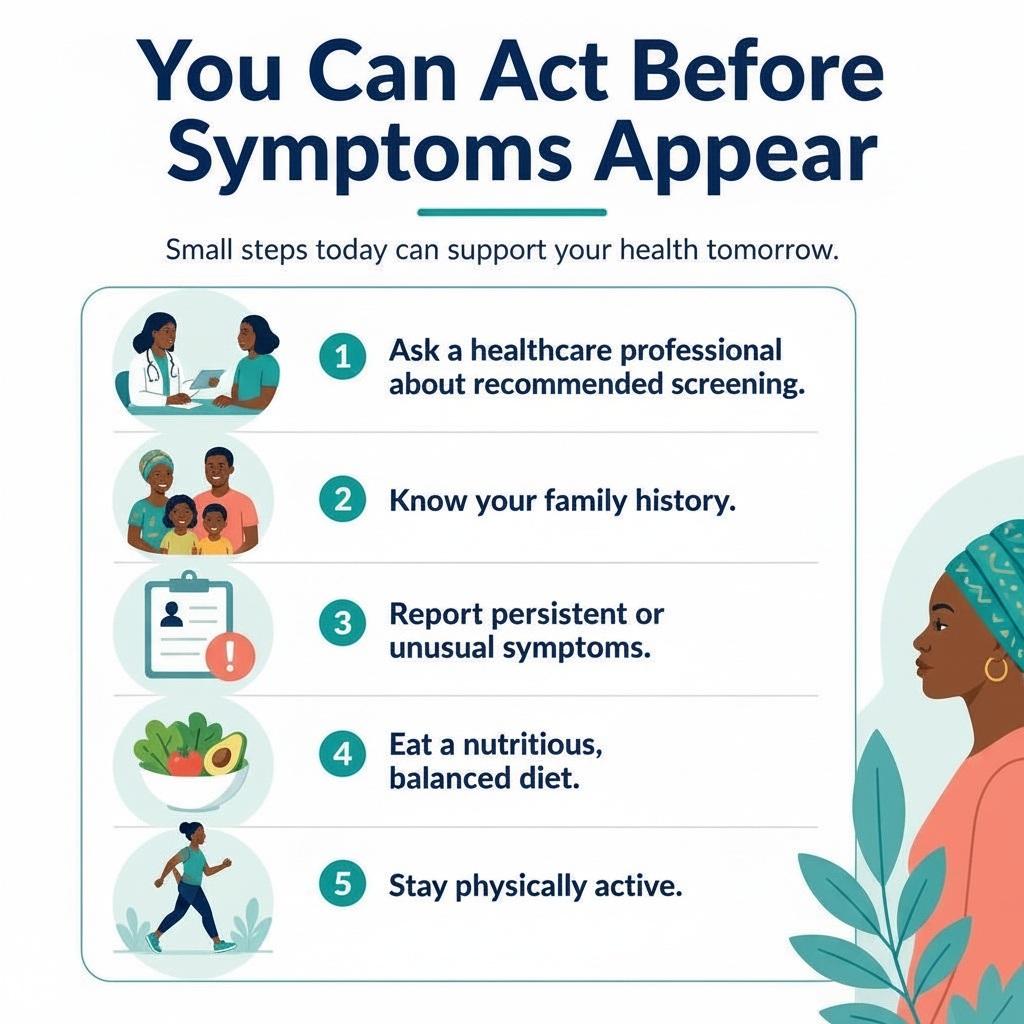
A clean checklist infographic for cancer prevention and early detection using simple icons for screening, awareness of symptoms, family history, nutritious food, and physical activity. Image Credit: Leonardo AI. Click on image to enlarge.
An important step in cancer prevention and early detection is to adopt healthy habits and get screened. You do not need to wait for symptoms to act. Here are practical steps you can take right now towards cancer prevention and/or early detection:
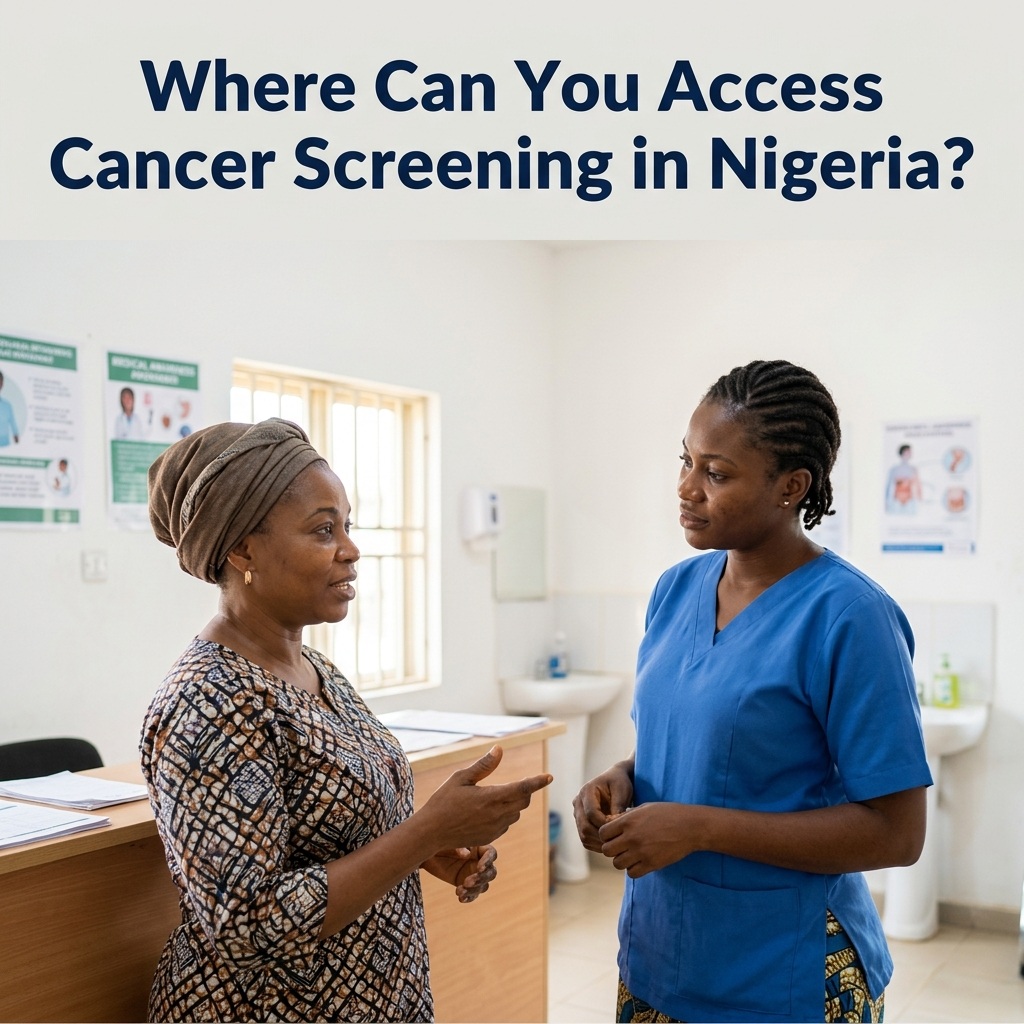
A Nigerian woman speaking with a healthcare worker at a hospital or clinic reception. Image Credit: Gemini AI. Click on image to enlarge.
Cancer screening and early detection services are available across Nigeria. If you or someone you love is suspected to have cancer, talk with your doctor or go to the nearest health centre. You will likely be referred for specialist care in any one of the following cancer treatment facilities nearest to you:
Related: Cancer Screening in Sub-Saharan Africa: When to Start
A group of five Nigerian women of different adult ages standing together in a supportive community setting. Image Credit: Gemini AI. Click on image to enlarge.
Cancer does not have to be a death sentence, but silence and late diagnosis make it one for too many Nigerian women.
Know the six cancers. Know the warning signs. Get screened. Speak up about your symptoms, and share this information with the women in your life.
Awareness Is the First Step. Action Is the Next One.
1. International Agency for Research on Cancer. Nigeria fact sheet [Internet]. Lyon: World Health Organization, Global Cancer Observatory; 2024 [Cited 2026 Oct 4]. Available from here.
2. National Cancer Control Programme. Cancer burden [Internet]. Abuja: Federal Ministry of Health, Nigeria; [Cited 2026 Oct 4]. Available from here.
3. World Health Organization. Breast cancer [Internet]. Geneva: World Health Organization; 2026 Jul 3 [Cited 2026 Oct 5]. Available from here.
4. World Health Organization. Enhancing cervical cancer prevention in Nigeria [Internet]. Geneva: World Health Organization; 2024 Mar 4 [Cited 2026 Oct 5]. Available from here.
5. World Health Organization. Colorectal cancer [Internet]. Geneva: World Health Organization; 2026 Feb 13 [cited 2026 Oct 5]. Available from here.
6. Etukudo A, Mustapha A, Adamu ZA, Umar SS, Tukur Y, Yahya A, Abubakar M, Oguntayo AO, Audu BM. Ovarian cancers in a northern Nigerian hospital: Epidemiology, clinicopathology and treatment options. Nigerian medical journal. 2025 Apr 3;66(1):99. Available from here.
7. Singh R, Shaik S, Negi BS, Rajguru JP, Patil PB, Parihar AS, Sharma U. Non-Hodgkin's lymphoma: A review. Journal of family medicine and primary care. 2020 Apr 30;9(4):1834. Available from here.
Published: October 17, 2026
© 2026. Datelinehealth Africa Inc. All rights reserved.
Permission is given to copy, use, and share content freely for non-commercial purposes without alteration or modification and subject to source attribution..
DATELINEHEALTH AFRICA INC., is a digital publisher for informational and educational purposes and does not offer personal medical care and advice. If you have a medical problem needing routine or emergency attention, call your doctor or local emergency services immediately, or visit the nearest emergency room or the nearest hospital. You should consult your professional healthcare provider before starting any nutrition, diet, exercise, fitness, medical or wellness program mentioned or referenced in the DatelinehealthAfrica website. Click here for more disclaimer notice.